













Have you ever imagined a giant industrial company suddenly releasing a new anime? Not just an advertisement, but a touching cinematic work. That's exactly what KOBELCO, the brand of the company Kobe Steel, did—and the reasons are far deeper than they appear.
This article is an interesting case study of how pop culture, particularly anime, can be a very powerful medium to restore image and rebuild trust.
KOBELCO Project Anniversary
In celebration of Kobe Steel's 120th anniversary, KOBELCO launched several initiatives, and one of the most prominent was the animation project Whereabouts of Tomorrow: Ashita no Arika.
In an official statement, the company expressed their hope that the animation can "share the history of the Kobelco Group with future generations" and "inspire them to strive for a better tomorrow."

KOBELCO: Anime Ashita no Arika
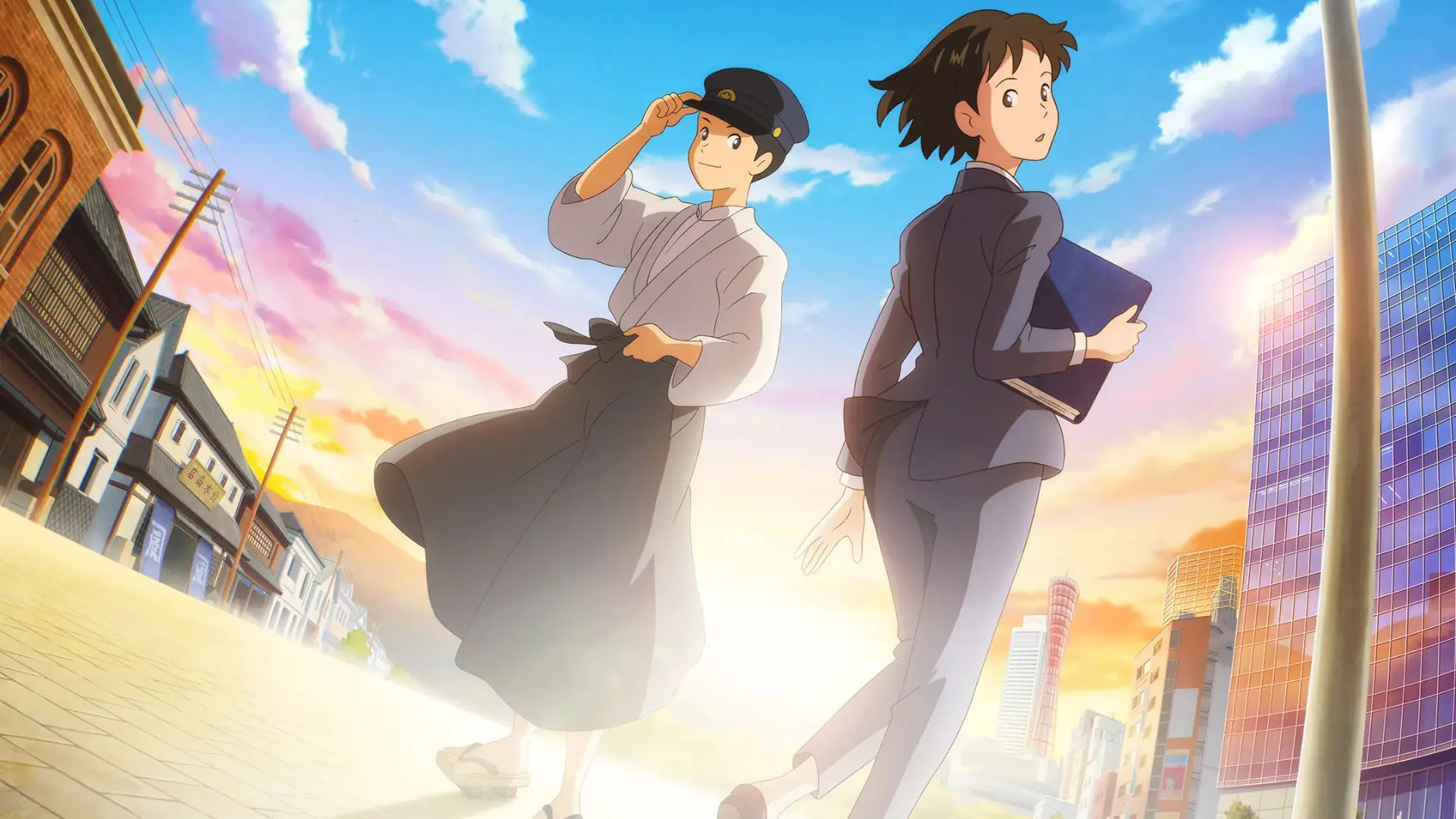
The story centers on Asumi, a Kobe Steel salesperson in 2021 who feels hopeless amidst the company's problems. Just as she is about to resign, a mystical beam of light appears from the company's history book and transports her to Kobe in 1905.
There, he meets visionaries from the company's founding period, including Torasuke, an enthusiastic Meiji-era youth. Together, they travel through time, witnessing how the people of the company weathered difficult times-including major events such as the Great Hanshin-Awaji Earthquake of 1995-and continue to face challenges with hope.
The Real Context: The Scandal that Shook KOBELCO's Reputation
However, the "company problem" that makes Asumi desperate is not fiction. To understand why this anime was made, we have to look back at the crisis that befell Kobe Steel. Based on reports from ReutersThe company admitted that their data falsification scandal has been going on for almost five decades.
The scandal impacted 605 clients worldwide and was so serious that the then CEO resigned. Steven Bleistein, CEO of consultancy Relansa, described it not as an individual mistake, but rather as a "a pattern, a culture" that are already entrenched within the company.
Anime: A Medium to Rebuild Image
This is where Ashita no Arika became crucial. Instead of covering up its dark past, KOBELCO took a very bold step. They made the crisis the starting point of the story.
Asumi's despair is a direct reflection of the reputation crisis facing Kobe Steel. Asumi's journey into the past becomes a metaphor for the company to return to its roots and rebuild the future.
Production Staff
To ensure the quality of this project, KOBELCO partnered with Trash Studio, It is filled with a production team that includes big names in the industry.
- Scriptwriter: Hiroyuki Yatsu
- Animation Producer: Yoichiro Kugimiya
- Storyboard Artist (co-writer): Akihiko Yamashita
- Chief Animation Director and Character Designer: Yoshiharu Sato
- Asumi Kino CV: Nao
- Torasuke CV: Gaku Hamada
- Theme song: "Call Me" by Novelbright
The involvement of Studio Ghibli veterans like Akihiko Yamashita and Yoshiharu Sato was key. Their artistic touch was able to transform the corporate story into a humane and sincere tale.
Part of the Growing "Corporate Anime" Trend
This move by KOBELCO is part of the growing trend of "Corporate Anime". Many companies are now realizing the power of anime to connect with audiences emotionally. We've seen an example of this in Indonesia when BNI Promotes Mobile Banking Application Through Anime.
However, this case takes it to a different level. While many companies use anime for promotion, KOBELCO used it for a much more complex purpose: crisis management and redemption of Kobe Steel's image.
Not Just an Ad, But a Powerful Statement
In the end, Ashita no Arika is not just a marketing tool. It is a sophisticated act of crisis communication. By using anime, they managed to humanize the corporate entity and show remorse.
Interestingly, the full anime Ashita no Arika is available to watch for free. KOBELCO has released the full version on their official YouTube channel, both in version with English subtitles or original version without subtitles.