

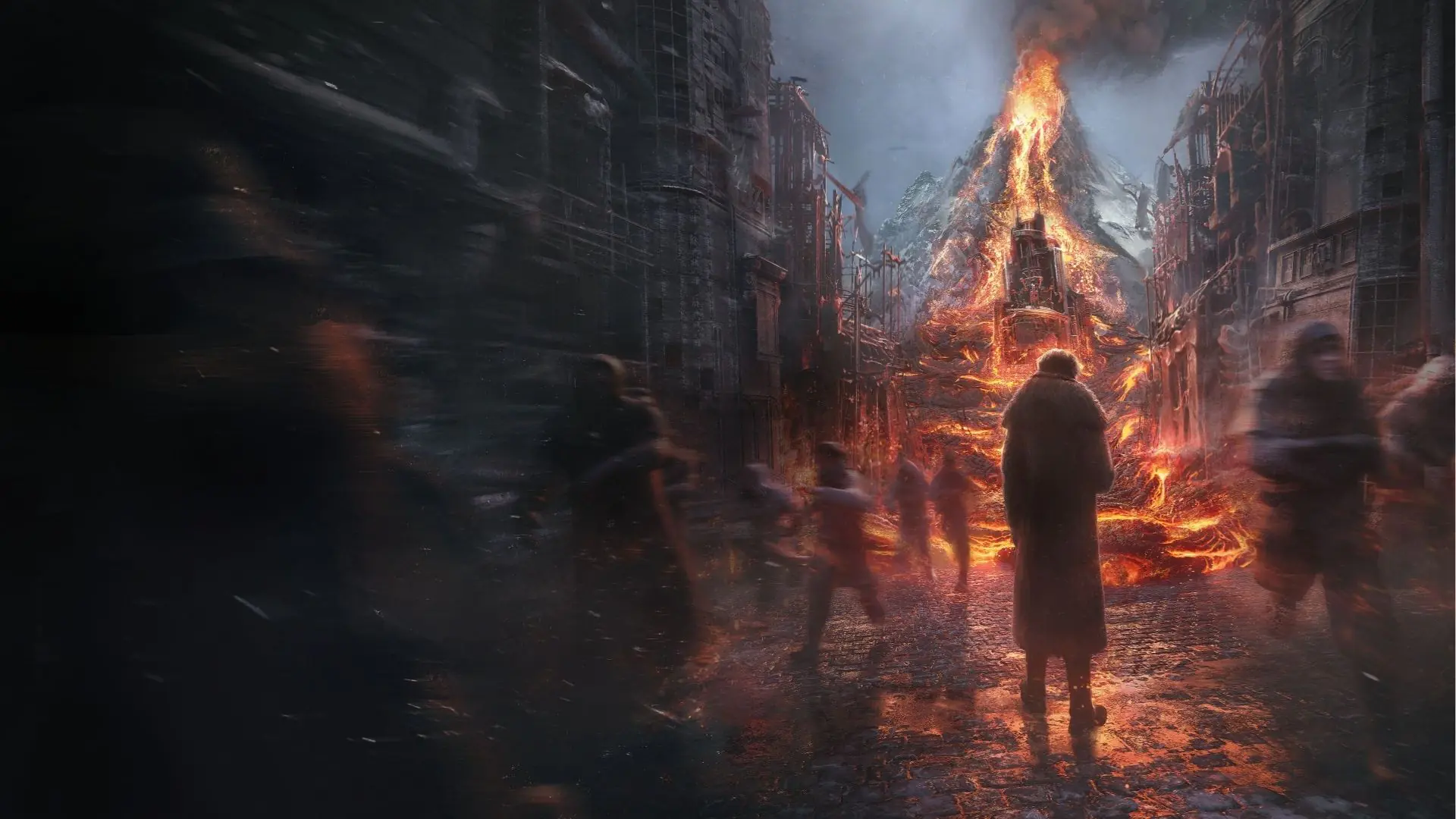

















There was a time when RPGs were full of supernatural powers, when players used their imagination to control magical forces that smote evil. But what if the powers were... normal? Yes, normal, like being stabbed with a wound that needs to be treated, wielding a sword needs practice, and especially maintaining posture. This is one of the main characteristics of Kingdom Come: Deliverance II, the second installment of the Kingdom Come series that takes players through the story of Henry from the Skalitz region through various wars.
After spending more than 45 hours exploring this second installment, it's safe to say that Kingdom Come: Deliverance II is a series that improves and develops better than the previous series. Uniquely, this second series game review can also be applied to the first series, considering that every game in the second series has been improved. core mechanic and also playstyle feels similar but not boring.
If so, does it deserve to fight for Game of the Year 2025?
Immersive, Content-Rich Games

Kingdom Come Deliverance generally provides an immersive experience that emphasizes realistic aspects. Built in a medieval setting, players need to manage the usual aspects of life such as: equipment/weapon durability, hunger, hygiene, clothing, and also abilities in the form of soft/hard skills. In the early phases of the game, when players don't have many resources yet, it may feel quite difficult. But as with any highly realistic game, this means that dexterity and ingenuity are required to make the most of what's in front of you.
Thanks to the complexity that comes with this realistic aspect, Kingdom Come's second installment feels relatively more adaptable than the first (for this reason, playing the first installment is highly recommended).

A few tips for getting into the game: focus on combat resources. Every main and side quest will involve at least some conflict, often direct sword/blank hand combat. Preparation is very important, so it's still better to do some preparation. side quests first to gather resources. This realistic aspect makes it difficult for players to simply enter and exit fights.

Several types of weapons and equipment can be used according to the preferred play style. In the beginning, all weapons feel quite slow to use, but give a unique sense of combat, fighting far or near, long or short blades. The more you use them, the more skilled you become. The progression feels sufficient, not too slow as long as you use them regularly at every opportunity. Each level provides some sort of mastery in that aspect (which is meaningful, but not very visible at the beginning) and the player can make investments. perk points to gain certain passive skills, which are often very useful in certain situations.
One of the developments done better than the first series is about the handling. In the first series, there are 5 sides of the sword swing + 1 thrust. In the second series, there are only 4. This makes it easier for players to focus on the combat aspect rather than worrying about posture; a necessary compromise to make the flow of combat smoother.
Medieval World-Building that Excellent

The realism of life in KCD II is depicted quite accurately and vividly. When entering the largest city, Kuttenberg, Henry can see all kinds of bustle and life. The architecture also looks neat and invisible wall is almost never seen. As the world open worldIt is quite easy to enter the various buildings and "affairs" of the locals.

Just like the first series, fast travel still continues the unique touch in the form of encounter For example, a sudden attack by bandits. With the development in combat mechanics, of course players need not worry too much and are not too "punished" when failing to escape from unique things like this. It's realistic, isn't it, when fast travel continue to run like a normal road.

The maps are easy to use for navigation. To open up new areas, players need to explore directly by walking or riding a horse. The depiction of buildings, forests, populated areas, is quite vivid, of course, with a unique KCD-style artistic touch.
Good Note for Voice Acting in Cutsene

The interactions between characters always feel organic, especially with the two main characters Henry and Hans. Warhorse is seen using face capture which is simply wrapped in voice acting that is natural and interactive. Of course the player is doing skip if bored, but cutscene given always looks like a movie medieval.

For parts of the dialog that require player choice, KCDII chose to separate them from cutscene main character and provide transitional pauses. This is quite acceptable, especially the varied dialog choices. Within a single conversation, there are various choices that are not shown whether they will lead the player to make important decisions or just seek information. Henry, as the main character, needs to pay attention to the conversation and also the social status of the interlocutor so that the conversation can go well.
Conclusion

Kingdom Come: Deliverance II is a refreshing game for players who love the realistic aspects of an RPG that focuses on the world and the characters. combat that can be enjoyed by a wide range of people. Of course, note that these various mechanics need to be learned slowly before finally getting used to these realistic aspects.
Pros
- Immersive realistic aspects for players
- World-building era medieval beautiful
- A variety of weapons that can be relied on from start to finish
Disadvantages
- Realistic mechanics that need specialized study
- Combat may feel relatively slow
Kingdom Come: Deliverance II
Summary
Kingdom Come: Deliverance II is an era-realistic game medieval which blends aspects of real-world combat with an engaging story.