



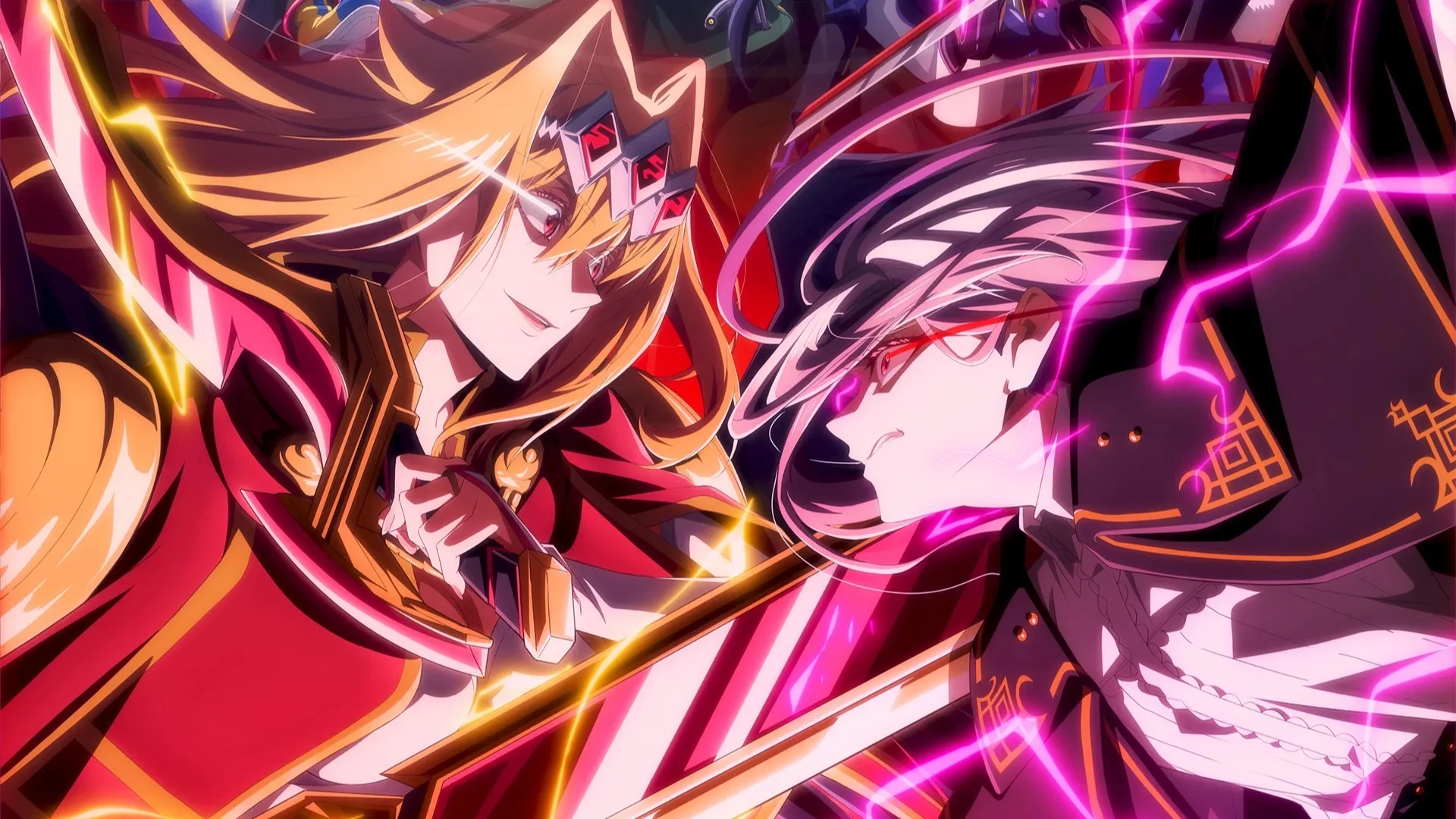




Stranger Than Heaven was one of the biggest highlights of the 2026 Tokyo Game Show. The reason is simple: it’s a new title from RGG Studio, the studio behind the Yakuza and Like a Dragon series. Those series already have a strong fan base, especially in Japan.
Stranger Than Heaven is also considered a prequel to both series. This has brought the game a great deal of attention.
We played the demo and found that this game is quite different from its predecessor. The tone of the story is more serious, and the setting feels unique.
One of the biggest differences is in the combat system. The new combat system is more challenging, but we like it. In this article, we’ll discuss the combat system, the setting, and our impressions after playing the demo.

It's no longer just hack-and-slash
For those of you familiar with the Yakuza and Like a Dragon series, imagine hack-and-slash combat with a wide variety of skills and flashy moves. That was the formula used in previous entries. Stranger Than Heaven breaks away from that formula and takes a direction more akin to a souls-like game.
The term “souls-like” refers to games with combat that follows the style of the Dark Souls series. This style emphasizes stamina, timing, and the risks involved in each attack. In Stranger Than Heaven, the stamina system is at the heart of all combat.
The player’s goal is simple: deplete the enemy’s stamina completely. Once that’s done, the player can unleash a critical attack, which is shown in a brief, exciting cinematic sequence. So, how do you deplete the enemy’s stamina?
There are two ways to do this. First, you attack your opponent regularly. Second, you perform a perfect deflect right when your opponent attacks. This means that simply attacking isn’t enough—you also have to read your opponent’s movements.
When you're out of energy
The same rule applies to the character you're playing. Your character also has stamina. Imagine that stamina running out in the middle of a battle. The character falls into a grounded state and becomes the target of critical attacks from enemies.
Even so, you haven’t lost yet. While grounded, you can roll to dodge attacks or counter with a small attack. Meanwhile, your stamina bar refills, and once it’s full, your character can get back up and fight in the normal stance.
What’s most interesting is how this system makes every exchange of attacks feel risky. You have to manage your own stamina while constantly depleting your opponent’s. Combat becomes a matter of timing, not just a matter of who can press the buttons the fastest.

Weapons and enemies that force you to think
Your character isn't limited to a single weapon. There are various weapons you can use, and each weapon has characteristics determined by its weight, range, and mobility. You can even fight with your bare hands.
Therefore, button mashing won't work in this game. The key to combat is reading the enemy's attacks, timing your moves, and then countering with the right weapon.
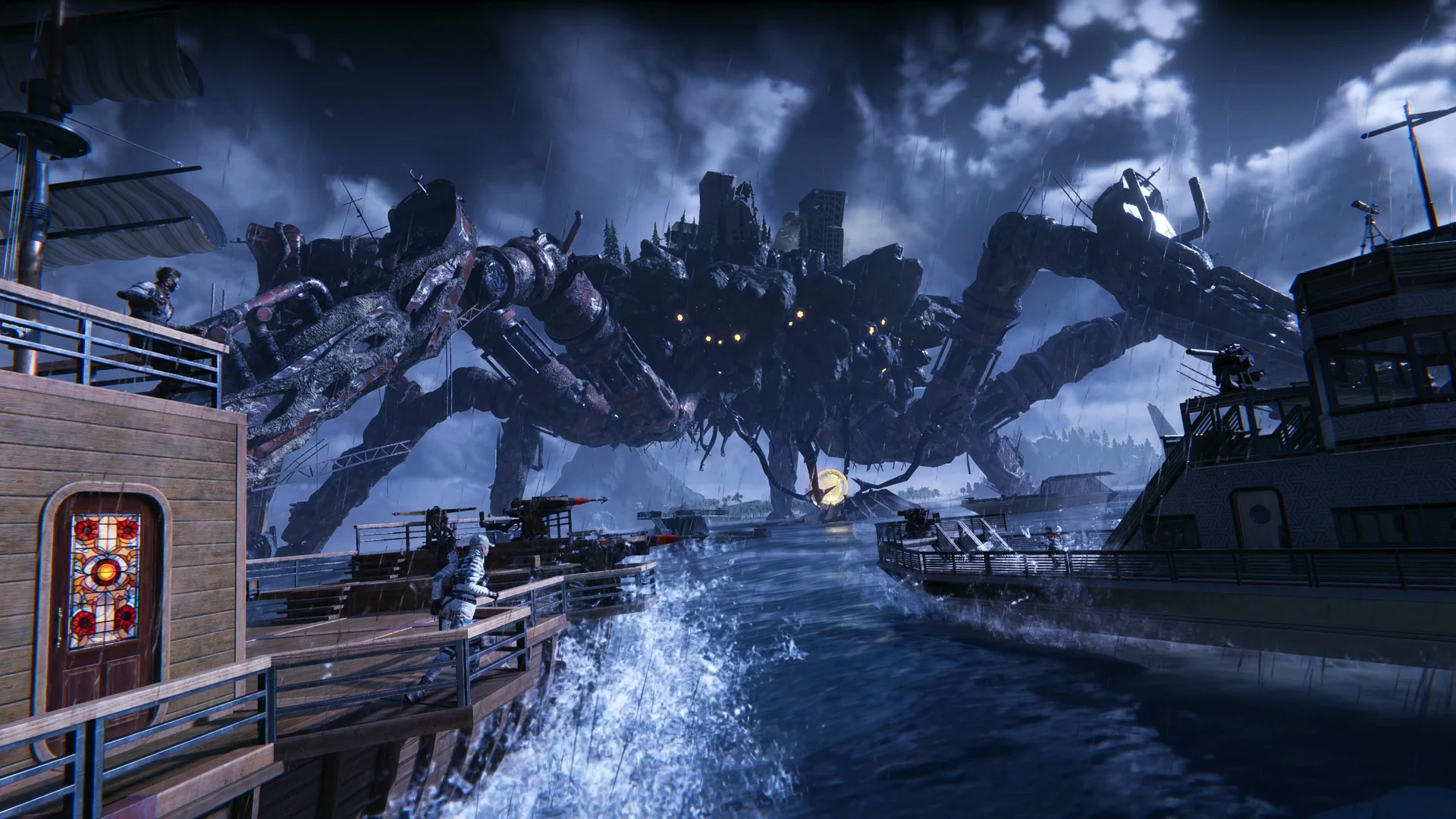
The enemies are also varied. In the demo, we face several types of enemies, including:
- Mob-type enemies
- A large enemy with powerful attacks
- A samurai with excellent agility
This variation forces players to think more carefully during combat. We consider this an important part of the game's challenge.
A refreshing change
After playing the demo, we felt that the shift to souls-like combat felt refreshing. We also consider this move a good decision on RGG Studio’s part. The game’s more serious tone and story pair well with the intense combat.
However, we anticipate a backlash from some gamers. Some fans have already enjoyed the hack-and-slash combat in previous installments, and this new combat system has a steeper learning curve.
One question remains unanswered: will *Stranger Than Heaven* offer multiple difficulty levels? We don’t know yet. If so, those options would help players who just want to enjoy the story.

Five eras, one life
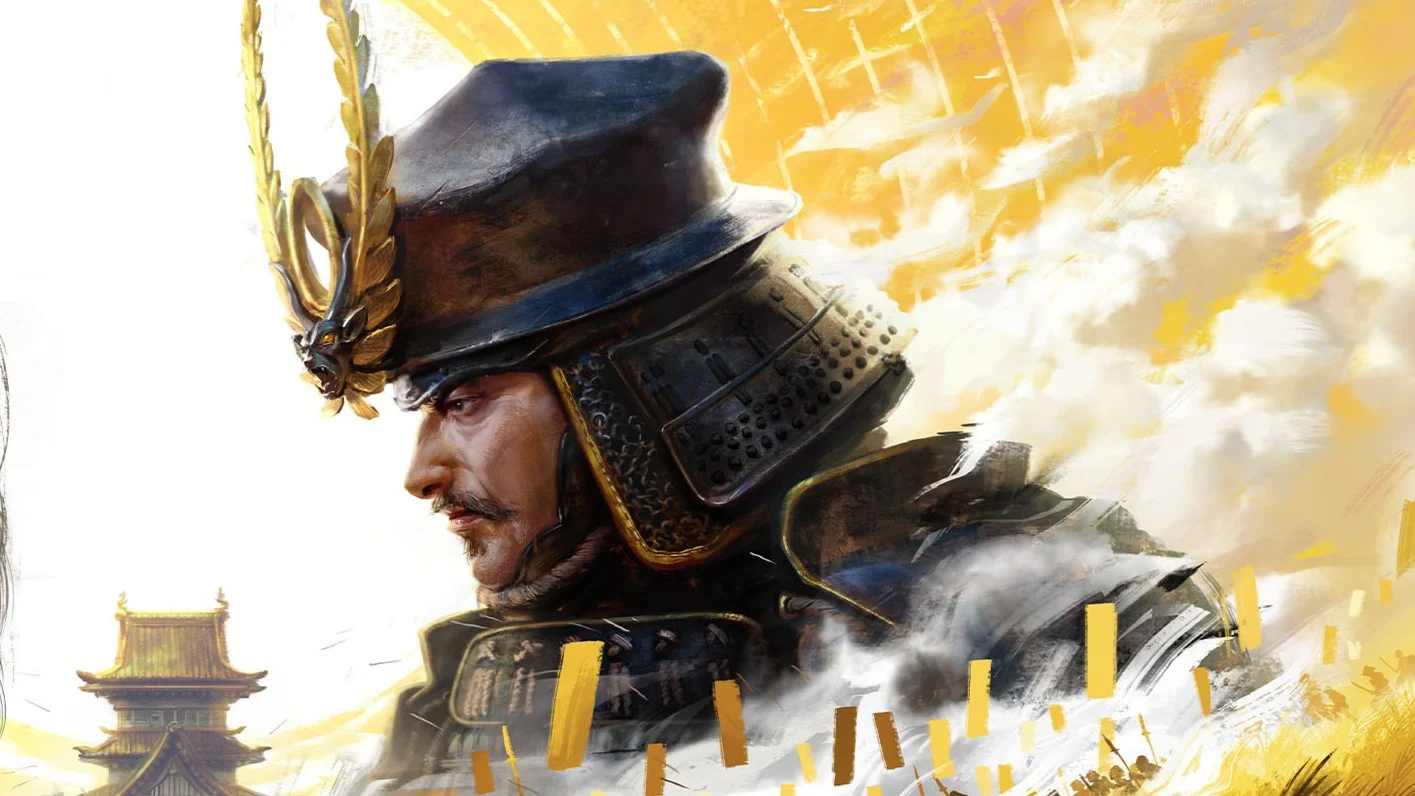
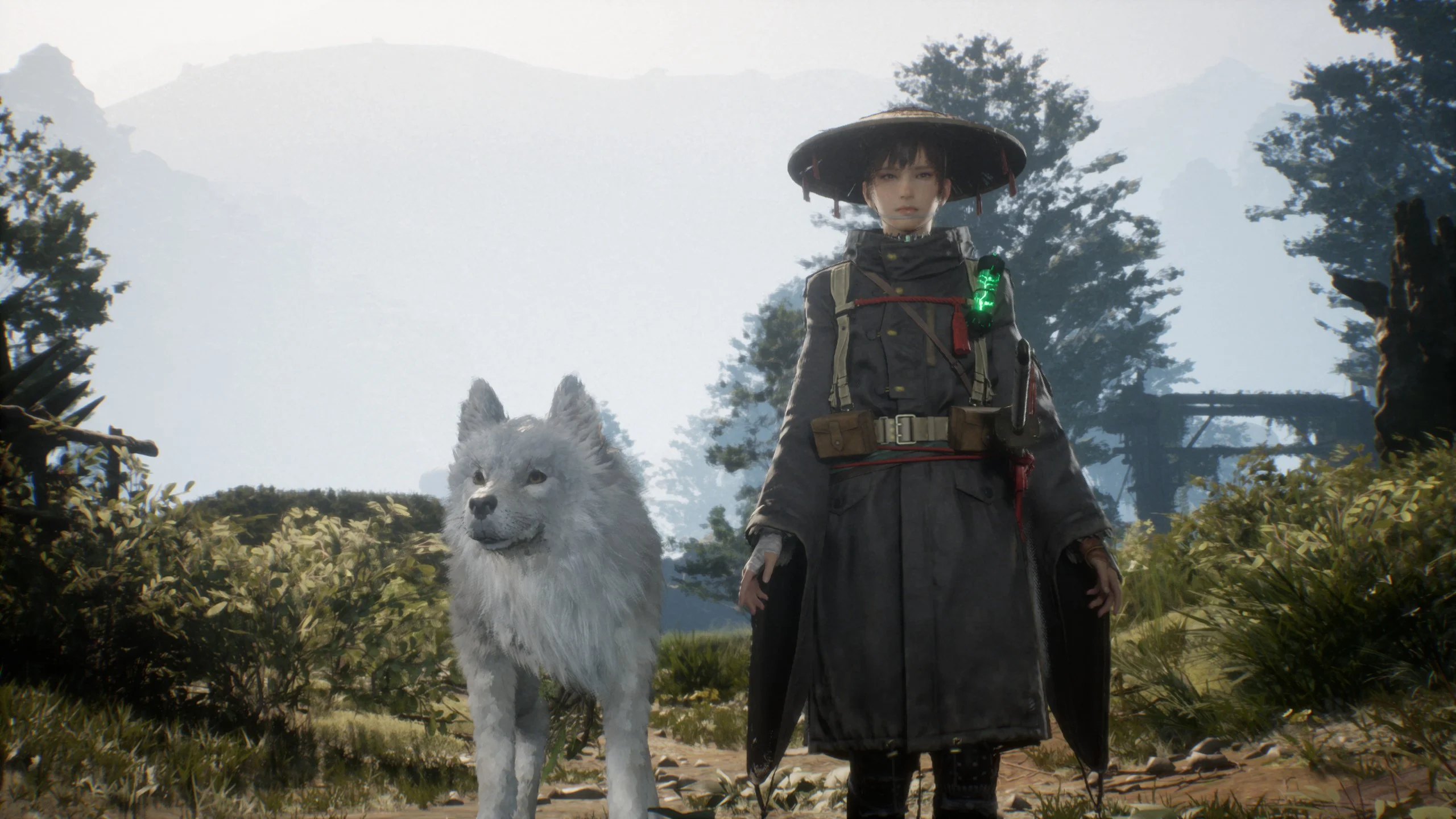
Beyond the combat, the setting of *Stranger Than Heaven* also caught our attention. The game follows the entire life of Makoto Daito, an outcast of mixed Japanese and American heritage. Makoto goes on to become the founder of the Tojo Clan, the clan that serves as the backdrop for the *Yakuza* and *Like a Dragon* series.
This life journey took place in five different locations and years:
- 1915 in Kokura
- 1929 in Kure
- 1943 in Osaka
- 1951 in Atami
- 1965 in Shinjuku
The demo at the 2026 Tokyo Game Show focused solely on combat and did not feature any exploration. The demo also featured only three settings: Kokura in 1915, Kure in 1929, and Osaka in 1943.
The period from 1915 to 1965 spans about five decades. With this structure, the game offers the opportunity to observe how the city and the times have changed through the eyes of a single character. We want to see how Makoto’s story makes use of that time span.

A vibrant open-world environment
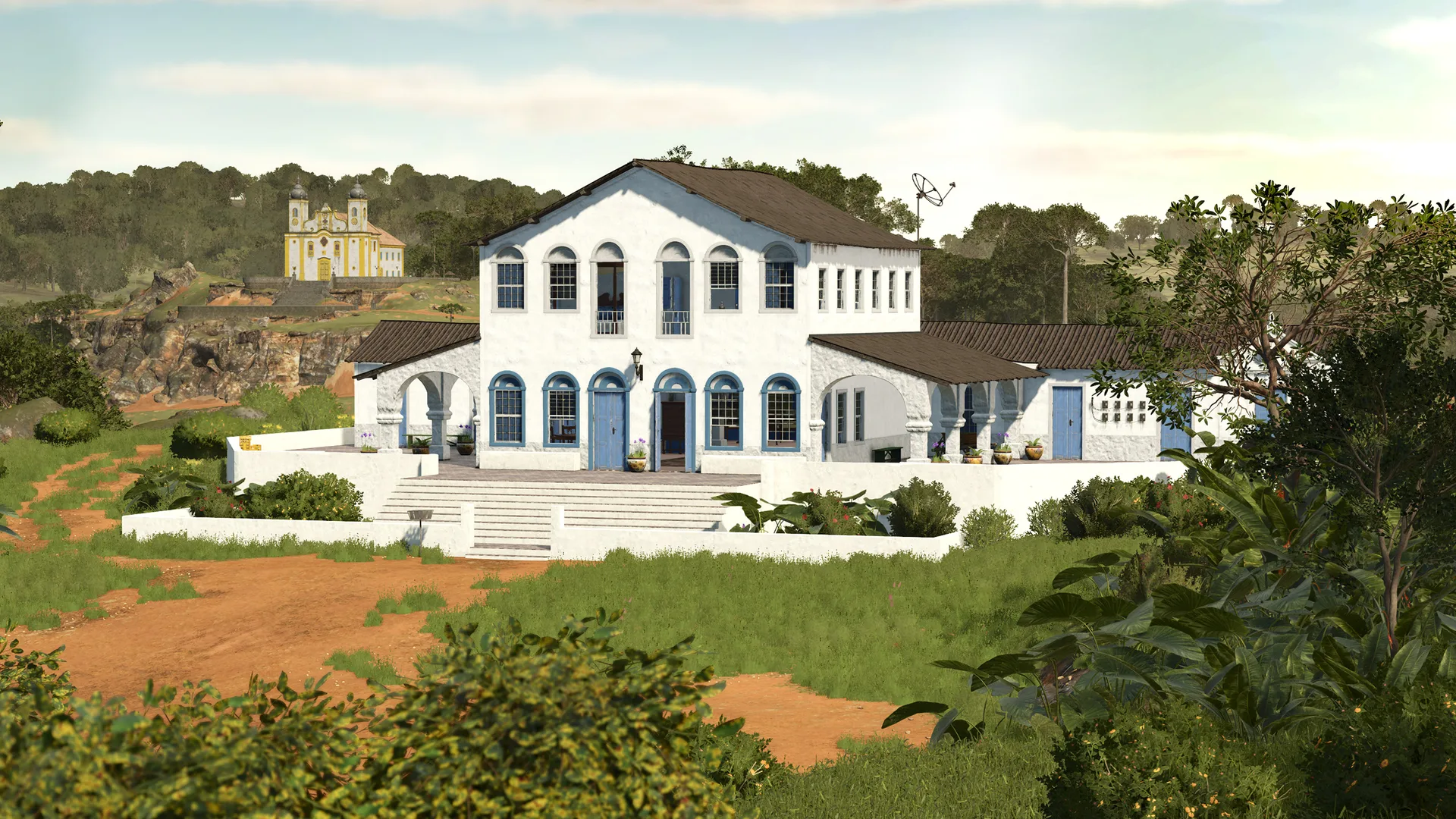
Although the demo didn’t focus on exploration, the game’s world still had us hooked. We can confirm that *Stranger Than Heaven* is an open-world game with plenty to explore.
You can also sit down at a restaurant or enjoy a bowl of noodles from a street vendor. We don’t yet know how these activities affect gameplay. However, details like these make the world feel alive.
We appreciate the research efforts of the RGG Studio team. Their research convinced us that this game’s setting is authentic. We’re eager to see how far this level of detail extends to the other two settings that haven’t yet been featured in the demo.
Looking forward to the January 2027 release
In short, *Stranger Than Heaven* has chosen the harder path, and we love that choice. We predict this game will be one of the biggest hits of 2027. The demo shows that RGG Studio has big ambitions, which are evident in its combat system, setting, and world.
The game is scheduled for release in January 2027, and we hope that schedule won’t be delayed. For those of you who follow the Yakuza and Like a Dragon series, this game will tell the story of the Tojo Clan’s origins through the character of Makoto Daito.
Don't miss our exclusive report on TGS 2026
The TOKYO GAME SHOW is one of the world’s largest video game exhibitions, organized by the Computer Entertainment Suppliers Association (CESA) in collaboration with Nikkei Business Publications, Inc. and DENTSU INC. TGS has become the premier platform for video game industry professionals to showcase their latest innovations and technologies.
Asia’s largest gaming festival is about to celebrate its 30th anniversary and promises an exhibition on a scale unlike any in previous years. With the theme “The Longest Five Days of Nonstop Play,” this year’s event will make history. For the first time, the exhibition will run for a full five days.
The offline exhibition will be held at Makuhari Messe, Chiba, from September 17 to September 21, 2026. The format of the event remains a hybrid system, combining on-site exhibitions with online initiatives to reach a global audience.
Stay tuned for the latest and exclusive coverage of TGS 2026, only at PlayEatSleep.Fun.