





The Apothecary Diaries comes in as one of the most attention-grabbing empire-themed anime. Carrying elements of mystery, medicine, and intrigue in an imperial setting, this series holds many interesting elements that are not always explicitly explained. This article summarizes various facts that can enrich your viewing experience.
Based on a Japanese work, but inspired by Chinese culture

The Apothecary Diaries (薬屋のひとりごと, Kusuriya no Hitorigoto) is a Japanese title that literally means "The Pharmacist's Monologue." It is a Japanese work of fiction written by Natsu Hyūga and illustrated by Touko Shino. The story was first published as a web novel on the Syosetu platform in 2011, and then published as a light novel in 2014.
Chinese cultural inspirations are evident in aspects such as the palace structure, social system, traditional dress, and herbal remedies that are an integral part of the story. However, all the characters and storylines are the result of the author's imagination, making this anime a unique and interesting cultural collaboration.
Not a historical story, but full of historical nuances
This anime doesn't take place in real history, but it does take many references from the life of imperial China in the past. The setting and social system are realistic and detailed, creating an immersive and convincing viewing experience.
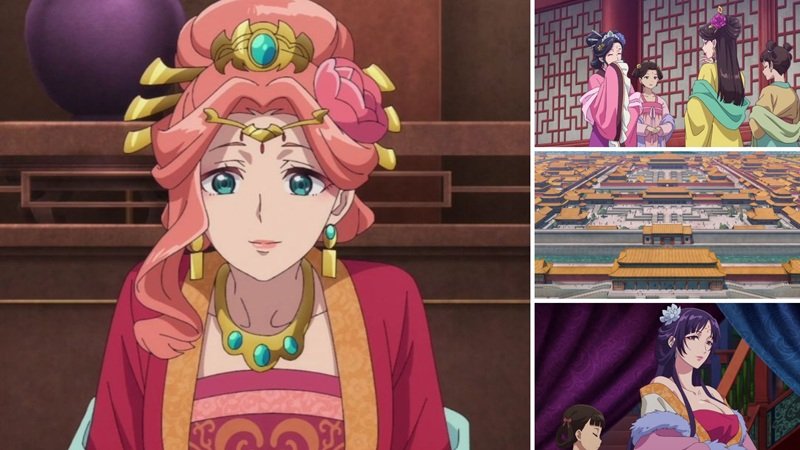
Some strong indications that support its historical nuances include:
- Closed palace system (hougong) that could only be accessed by concubines, eunuchs, and relatives of the emperor.
- A building complex that resembles Forbidden City in Beijing, complete with courtyards and gated
- Dress and hairdo typical of noblewomen from the classical era
- Practice of herbal remedies and traditional concoctions in the resolution of various conflicts
This setting is used as a foundation to build a fictional world that is rich in cultural details, yet flexible for narrative needs.
Authentic palace social structure
One of the social aspects shown in depth in this anime is the existence of eunuchs or eunuchs. eunuch. They were castrated men employed in the court, especially in the realm of concubines and female servants, in order to maintain internal trust and stability.
Jinshi, the chief eunuch in the story, comes across as an influential figure who is both mysterious and intelligent. Through his role, the audience is shown how important the eunuch's position is in the political and social dynamics behind the palace walls.
Carefully designed cultural details
One of the main strengths The Apothecary Diaries is the attention to cultural details that is consistently displayed. The interior design of the palace, character costumes, and social symbols are carefully laid out to create an authentic atmosphere.
Some of the prominent visual and cultural elements include:
- Classic formal wear with a symbolic color palette
- Manners and ceremonies that follow strict court etiquette
- Decorating the room with wooden elements, delicate curtains, and oil lamps
- The background music uses traditional Chinese instruments such as guzheng and erhu, which reinforces the emotional impression in various scenes
Fun Facts Behind the Second Season Opening Song
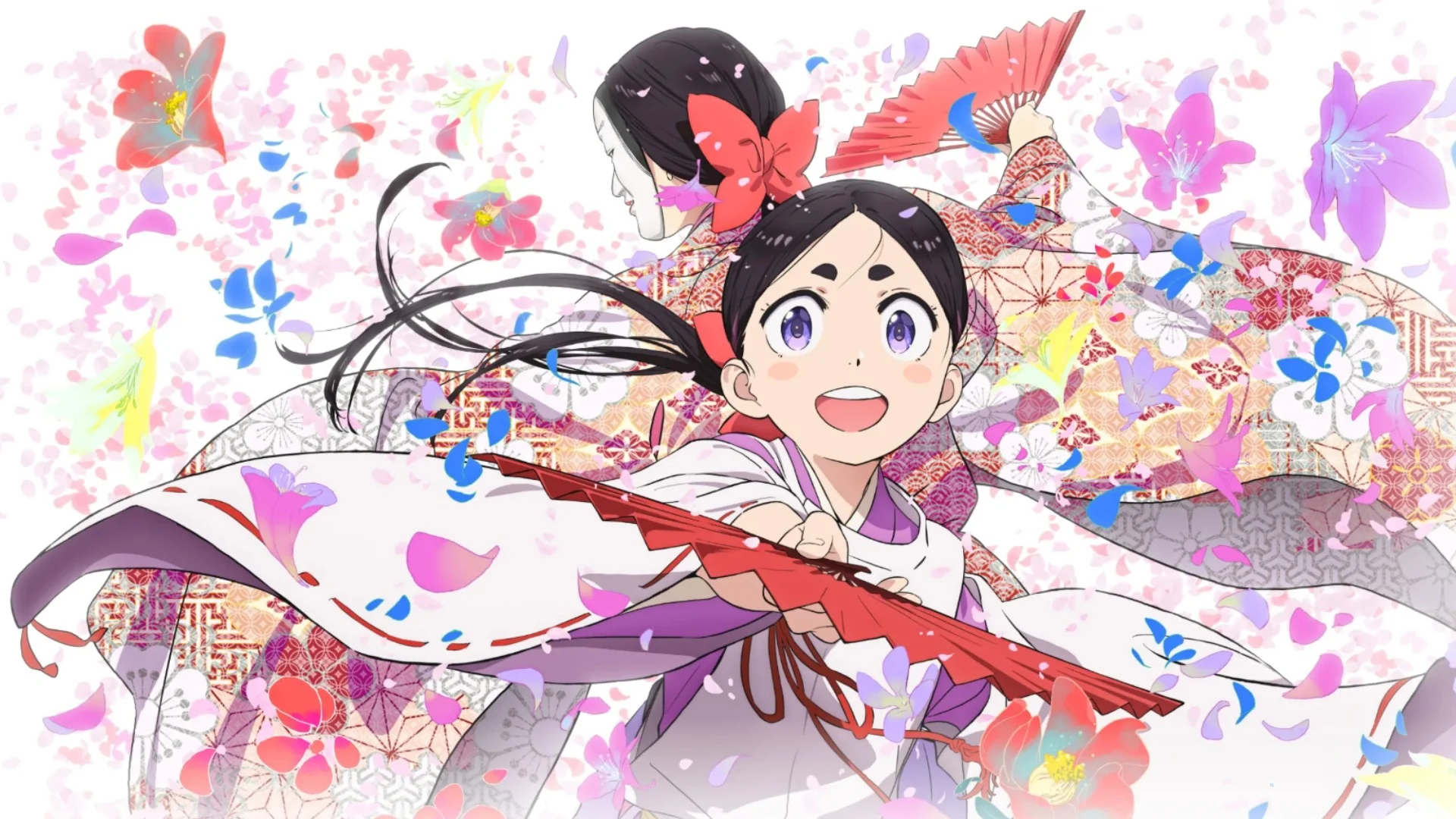
In the second season, The Apothecary Diaries features an opening song that also reinforces the emotional feel of the story. The song titled "Hyakka Ryouran" (In Bloom) is performed by Lilas Ikuta, a singer also known as the vocalist of the popular J-Pop duo YOASOBI, where she performs under the stage name of Ikura.
In this project, Lilas appears as a soloist, not as part of YOASOBI. She is also known as a singer and songwriter who actively contributes to various music and anime projects. Her soft yet powerful voice gives a deep emotional touch to the opening episode of season two.
Adaptation The Apothecary Diaries
The Apothecary Diaries began its journey as a web novel, then developed into a light novel, two manga adaptations, and finally an anime version that premiered in October 2023. The anime adaptation was animated by TOHO Animation in collaboration with OLM Studio, and the first season consists of 24 episodes.
The success of the first season was followed by the second season, which also totaled 24 episodes and began airing in January 2025. Currently, the second season is still ongoing and continues to expand the storyline and deepen the development of main characters such as Maomao and Jinshi.
The anime adapted the first two volumes of the light novel in its first season, and continues to introduce elements of mystery and palace dynamics in each episode.

Maomao's popularity has even gained recognition outside the realm of fiction. In February 2024, she became the first fictional character to be featured on the cover of Japan's Ministry of Health, Labor, and Welfare's monthly magazine-an achievement that reflects the appeal and cultural influence of the series.
About The Apothecary Diaries
The anime follows the story of Maomao, a teenage girl who is kidnapped from her simple life and sold as a palace maid. She hides her background as a pharmacist's daughter, but her skills in identifying poisons and concocting medicine make her a quick draw.
Maomao is then given the task of tasting food to ensure that no poison is being served to the emperor's favorite concubine. Over time, he becomes involved in mysterious cases within the palace and uses his logic and medical knowledge to uncover suspicious events. Her rational and calm character makes her the main driver of the story, which is different from the conventional royal story.
It blends elements of mystery, drama, history, and a medical approach in a balanced and easy-to-follow storytelling.
The Apothecary Diaries is an anime that manages to bring together intelligent narrative, rich cultural elements, strong visuals, and emotional music in one solid story package. For viewers who love in-depth stories set in kingdoms and intriguing mysteries, this anime offers a viewing experience that is not only enthralling but also intriguing.