























What if we didn't have to wait? The Witcher 4 to relive the experience of The Witcher, without having to replay it The Witcher 3 version remastered Or something like that? Sure! But it's different. The Blood of Dawnwalker It’s a title I can’t pass up, since it was developed by Rebel Wolves, a studio founded by former developer The Witcher 3. To be honest, my expectations aren’t too high or too low. I’m more hoping to experience that package all over again gaming as comprehensive and rich as The Witcher 3 back then.
After passing through deadline in-game... (yes, this game has a time limit) and reach 100% achievement Steam, I’m ready to wrap up this chapter with these thoughts: good, familiar, lots of notes. Three playthrough With varying levels of difficulty, I was quite impressed with Rebel Wolves’ work, although there were a few things that I think need to be critically evaluated objectively.
Especially when it comes to time. With only 30 days to save the Coen family, is every day really Worth it Spent on so many activities?
30 Days to Save the Coen Family
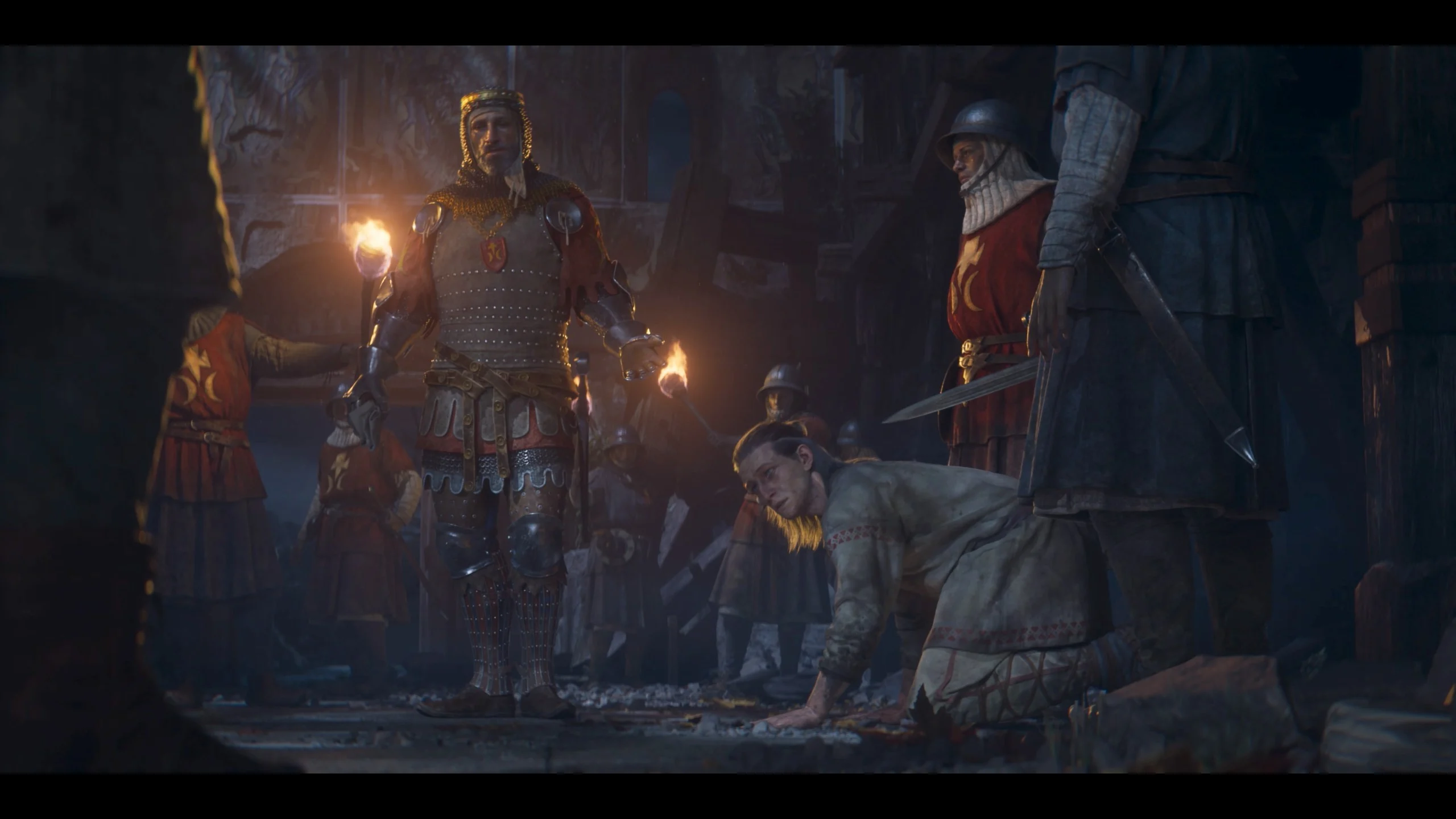
One thing readers should know from the start: deadline These 30 days are not a strict deadline. Players can still explore as usual after deadline skipped. For those of you who are just about to play it, The Blood of Dawnwalker It’s considered controversial because of one main quest that always looms in the background: 30 days until… (without spoiler (back then, anyway). At first, I thought this deadline was a bit counterintuitive, which goes against the desire to enjoy the game at a leisurely pace. After all, I’m probably one of many gamers who don’t like to replay playthrough the same one, just to explore something new (ironic, considering I ended up finishing it three times). I thought to myself: “Usually, time limits are on side quests, not the main quest. So, what’s up with this?”
Actually, 30 days in-game This wouldn’t be a big deal if it weren’t for the “time cost” of each quest. Almost every action takes up part of the day (a full day is divided into several segments). As a result, the more freely we explore, the faster time runs out. My personal impression is mixed, because this feature feels like it’s there just to create a sense of urgency.
This mechanism seemed even stranger once I realized that not many quests automatically fail when deadline missed. In that case, I don’t think this deadline system needs to be implemented at all. It’s enough to have progression between mini-boss interconnected, with final boss which can only be achieved after all mini-boss defeated. As a result, every mini-boss who became a follower of the final boss can be developed into something more significant, and final boss doesn't feel trivial either. Make no mistake, the battle against each mini-boss It's interesting and not repetitive. That's exactly what makes me look forward to the main quests leading to each mini-boss can be explored in greater depth.
A human mechanic by day, and a vampire by night

Regardless of the deadline, I really like the concept of day and night that’s presented The Blood of Dawnwalker. Coen is referred to as a “Dawnwalker,” which means he is human during the day and a kind of “vampire” at night, with different powers as well. I enjoyed the two build The main ones I use: practice witchcraft for daytime and build A claw-based vampire for nighttime combat. With the right focus and a careful reading of the skill descriptions, the potential damage The results were satisfying. However, on difficulty levels other than “Duelist,” the attack direction indicator makes defense skills seem less important. It wasn’t until I played the “Duelist” difficulty level—which lacks that indicator—that investing in defense skills became crucial, and that’s exactly where the fun lies.
However, it is important to note that the core combat This game still revolves around swordplay. The skills we can use depend heavily on a certain kind of ability bar that are scored through attacks or parry. Unfortunately, ability bar This fills up very slowly through normal attacks, so parry become the mainstay for filling it. Well, some active skills do need to be limited because they’ll be too overpowered if left untreated cost. Fortunately, by diligently completing both the main and side quests, I earned enough skill points to make Coen much stronger, especially in mid-game to late game.
I think swordplay This can feel tedious for some people, especially those who are expecting something like the Signs system in The Witcher 3. Another point I’d like to note is the limitation on the skills you can use. The number of skills you can activate is limited—both active and passive—so you have to choose which ones to use (skills that aren’t activated can’t be used at all). On top of that, active skills still have to compete for four slots quick cast. These two layers of restrictions are quite confusing. It would be best to developer Choose one: limit the number of skills that can be activated, or limit the number of slots quick cast ...and let them choose their own skills.
Vale Sangora: A worthwhile alternative The Witcher?
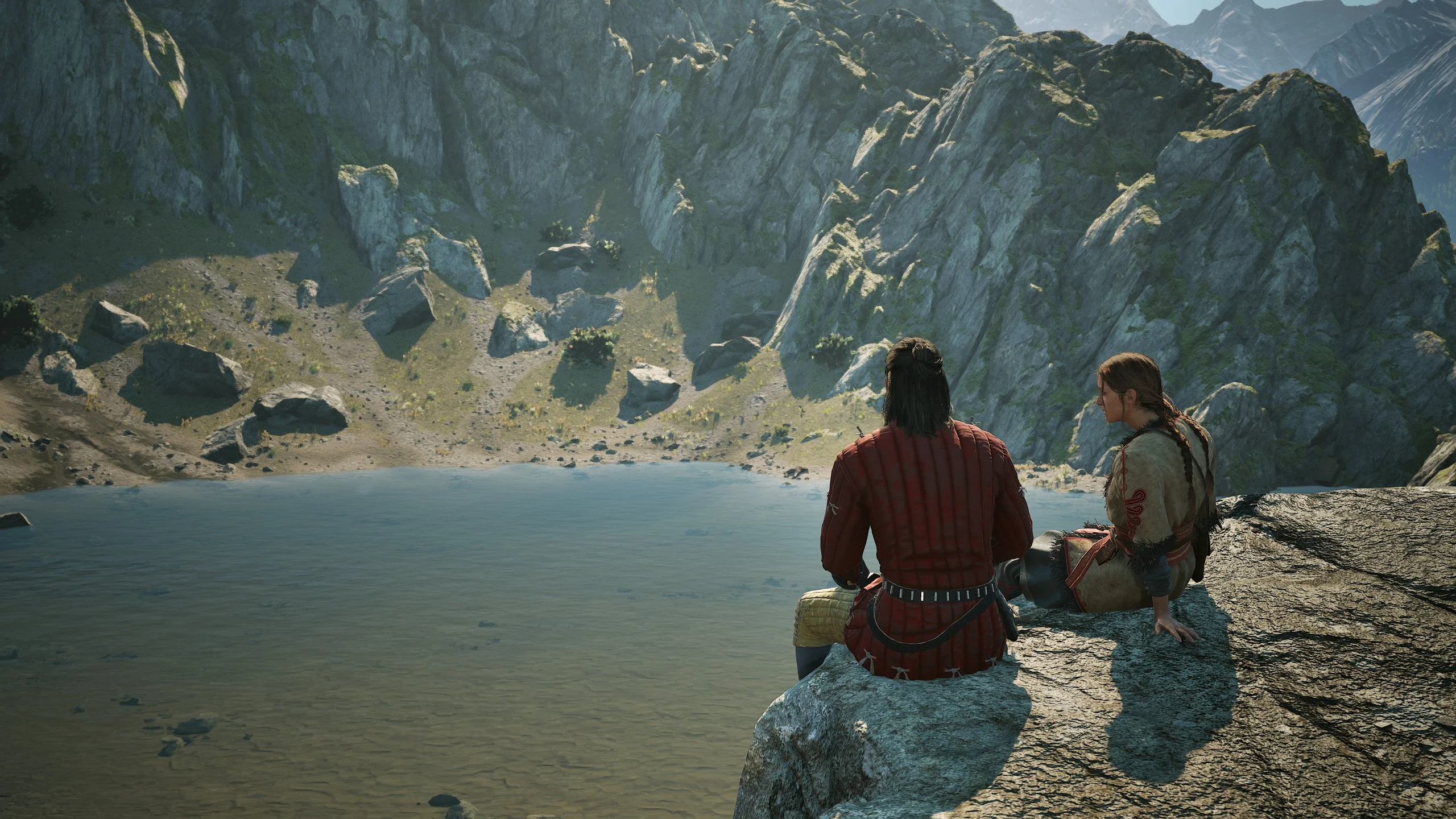
Aside from that combat, story The Blood of Dawnwalker It deserves a thumbs-up. I’ve seen plenty of stories centered on zombies and vampires, but this game still presents them with a unique twist and supporting characters who memorable. SettingThe premise is also easy to understand: 14th-century Europe, when the Black Death threatened the lives of many people. Interestingly, the plague can be suppressed by the blood of vampires, the game’s primary enemies. Many of the documents and world-building details appear to have been carefully thought out, though they aren’t as in-depth as The Witcher 3.
Some reviewer argues that the player's decisions don't really affect the quest structure, and on this point I tend to agree. Of the three playthrough, even side quests featuring crucial supporting characters rarely offer dialogue choices that truly change the course of the story. As far as I can recall, the outcome usually boils down to one of two possibilities: we kill that person and the quest fails, or the quest succeeds and paves the way romance. That's all. Once again, this creates a distance from The Witcher 3, where the decisions made can change the characters’ lives—it’s not just a matter of life or death.
On the other hand, Vale Sangora still feels vibrant and realistic, with plenty of side quests to fill those 30 days. From a technical standpoint, I didn’t encounter any significant issues on my PC. I didn’t experience any of the bugs or performance issues that some critics had mentioned. There were no bugs that game-breaking, and its performance remained consistent from start to finish.
Conclusion
So, whether The Blood of Dawnwalker is a game that worthy to maintain the credibility of the former developer The Witcher 3? You could say so, with a few caveats. The story has a familiar feel to it when it comes to vampires, with a little twist here and there, but it still comes across as an original work thanks to its mechanics and main character. Unfortunately, the 30-day deadline and the choices within it aren’t quite compelling enough, so the game feels somewhat linear even though its world open world.
For a new studio staffed by veterans, I’m excited to see both the sequel and update the latest from The Blood of Dawnwalker.
Pros
- Stories and world-building Vale Sangora, complete with memorable characters
- The unique day-night cycle creates a variety of
Disadvantages
- Combat It can feel a little monotonous without build that focuses on
- A 30-day deadline and a story concept that isn’t too restrictive yet
Blood of the Dawnwalker
Summary
The Blood of Dawnwalker is a solid debut from Rebel Wolves: a captivating dark tale with a fresh day-and-night concept, though tight deadlines and choices that lack impact keep it from reaching the next level The Witcher 3.