




















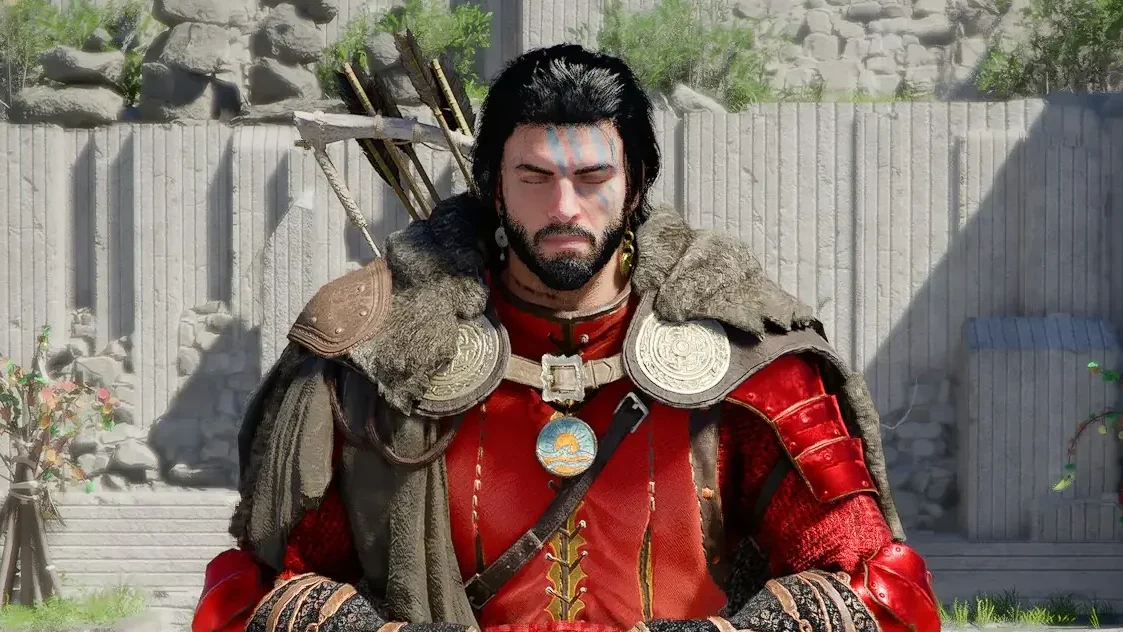



The Decima Engine developed by Guerrilla Games is back in the conversation after comments from Kojima Productions' CTO, Akio Sakamoto. According to PC Gamer, The 13-year-old game engine was used to develop the Death Stranding series, including Death Stranding 2: On the Beach. The discussion is interesting because many studios today choose to switch to commercial engines, while Kojima Productions emphasizes the technical and workflow reasons that make Decima still feel right.
Decima Engine and open-world requirements
Sakamoto explained that Decima from the start offered many of the capabilities needed to build an open-world. The focus was not just on visual appearance, but also on how the team could monitor and manage performance while the game was running. This is important for games with large areas, long visibility, and constant environmental transitions.
On the player's side, the effect is felt through the scale of the world, which looks huge yet still explorable. The experience of seeing distant mountains that aren't just a backdrop, but can actually be visited, often comes about because of technical decisions at the engine and production pipeline level.
Rendering analysis tools are important
One of the things Sakamoto highlighted was Decima's runtime rendering analysis tools. These tools help the team understand what's going on with rendering and performance in real time, allowing for faster and more targeted fixes. Decima is said to not always be as easy to learn as commercial engines, but the advantages of its analysis tools are considered to make up for these shortcomings.
For Death Stranding 2, Sakamoto also mentioned a large-scale scene that reached around 25 million polygons, while still maintaining a stable frame rate. This statement doesn't go into platform details or FPS targets, but it gives an idea that the team is comfortable pushing the visual quality without sacrificing stability.
Guerrilla and Kojima Productions Collaboration
The use of Decima also triggered technical cooperation between Guerrilla and Kojima Productions. When Kojima Productions made changes to the engine for internal needs, those changes were shared back to the Horizon team. This pattern of collaboration made engine development feel more efficient, as improvements made by one party could benefit the other.
This relationship also explains why specialized engines are retained. Mature knowledge, tools, and workflows are often more valuable than simply switching platforms.
Future direction: stick with Decima
Sakamoto said that Kojima Productions has been using Decima for almost 10 years. He emphasized that there is no ideal engine for all scenarios, but Decima allows his team to achieve many things that would be difficult to do elsewhere. This statement signals that Decima will still be the technical foundation for Kojima Productions' projects in the near future, especially for games that demand a large world scale, complex rendering, and a fast iteration process.