



















In my opinion, Resonance: A Plague Tale Legacy is one of the definitions labor of love from Asobo Studio throughout its history. The third game in the series A Plague Tale This gives me hope that I’ll be able to feel storytelling memorable experiences that define the world A Plague Tale. For those of you who aren’t familiar with it, this series generally revolves around a world struck by a specific plague that kills many people in a particular region. The first two games form a single narrative arc centered on a rat plague, while this game serves as spin-off unique yet still authentic. The way Asobo Studio weaves its story together is what really draws me in.
Before delving further into review So, I suggest you play A Plague Tale: Innocence then A Plague Tale: Requiem first. The main reason is that it’s better to be familiar with some of the references and terms so that the story resonates more deeply, especially in the epilogue, even though the story is actually almost 95% long. Resonance can be enjoyed on its own. In-set 15 years before Requiem, this game attempts to explore another side of the series' signature outbreak with a twist action more.
So, is the third game in the series A Plague Tale Is this pretty good, or is it actually disappointing?
Sophia’s New Story, An Old Story A Plague Tale
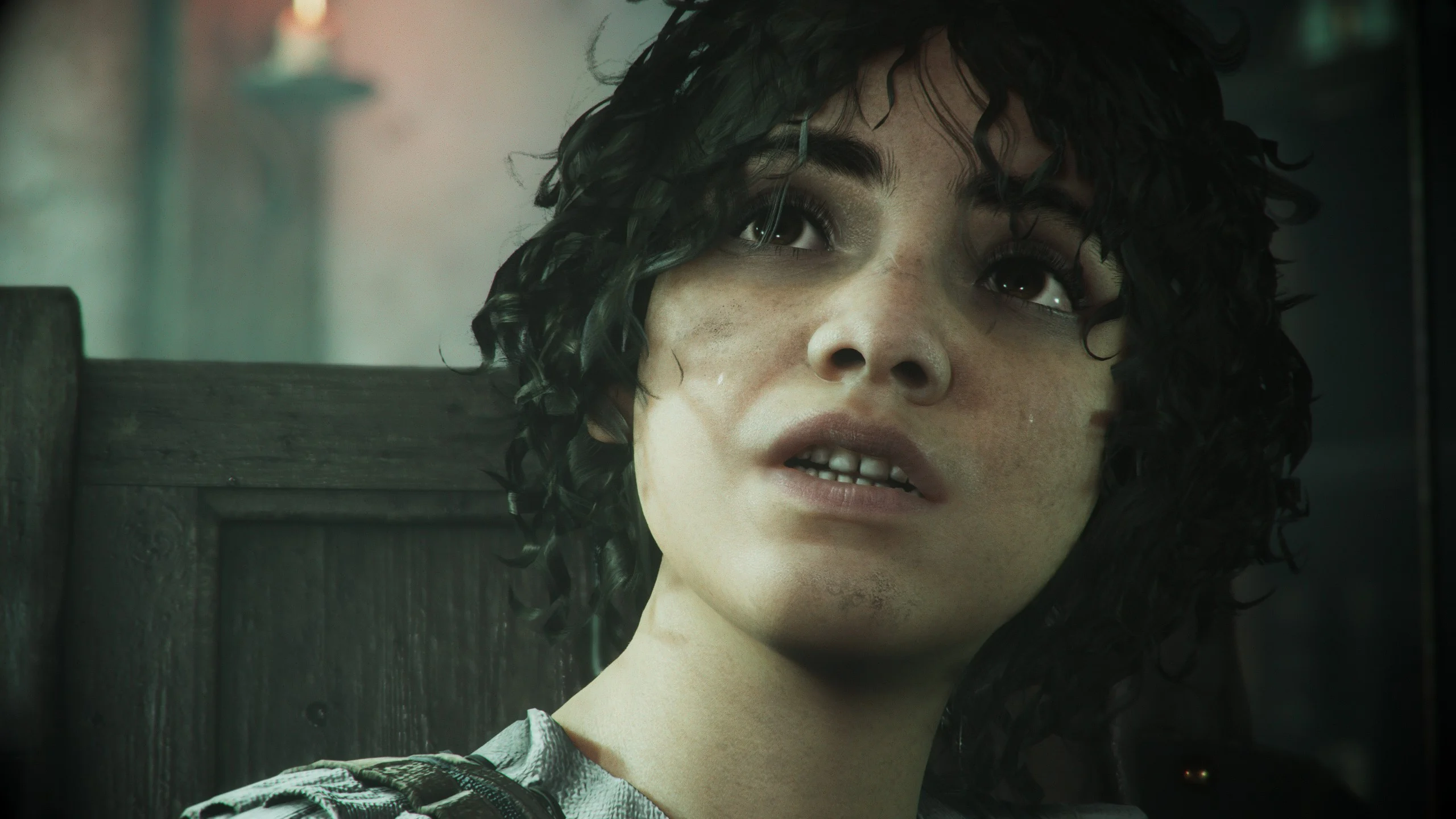
Concept Resonance It makes sense as the next installment in the series A Plague Tale. The main storylines of the first two games have been concluded, so this IP needs a new protagonist with setting similar or new ones so the story can continue. Sophia’s background is only briefly touched upon but remains mysterious and worth exploring further, given that her character hasn’t been explored much in the first two games. At first, I thought: A Plague Tale So, about the plague—was there actually a plague during Sophia’s time? In short: yes, there was, and it was just as terrifying as Innocence, where the outbreak is very close to the main character.
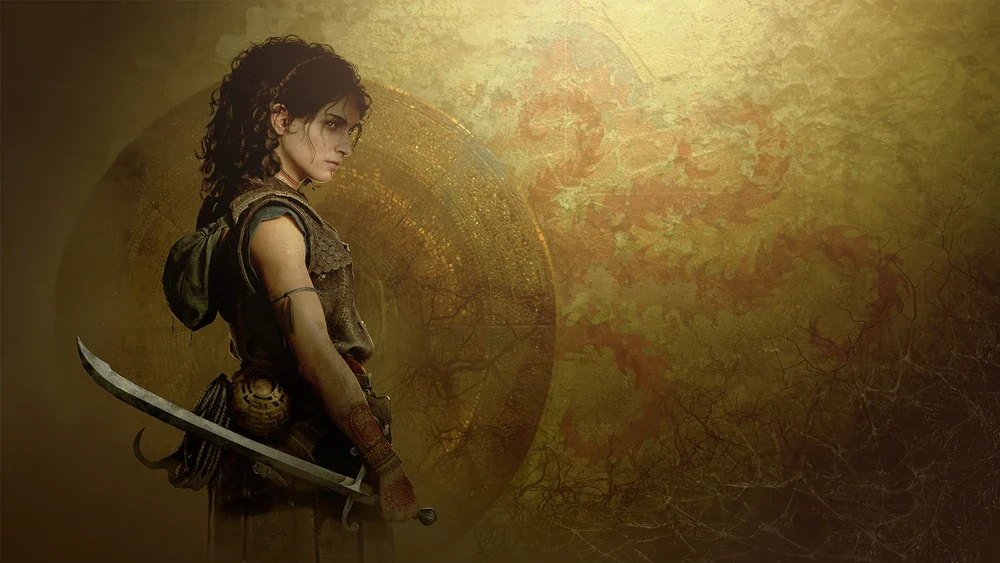
Consistency core It’s this story that makes the shift in protagonists from Amicia/Hugo to Sophia feel less jarring: the plague remains at the heart of the game, and we’ll see plenty of it from both environment or battles. Even so, the outbreak Sophia faces is different in nature from those in the first two games, and most of the story centers on adventure Sophia faced the outbreak. Her connection to Innocence and Requiem It serves more as a reference to the pandemic—especially in the epilogue—so the story remains accessible even without prior knowledge of it. We still see Sophia’s interactions with her friends, while Sophia herself is independent and has a rich emotional side. We get to know Sophia from the very beginning, starting from the premise all the way to inciting incident which forced him to go to Minotaur’s Island, setting The main feature of this game. This island, steeped in mythology, adds depth to the story, especially with the concept of dual-timeline that continue to unfold along the same timeline. What I mean is dual-timeline? I’d better not go into too much detail—it’s a spoiler!
It took me about 10 hours to finish the game’s story, which is at the shorter end of the 10–14-hour range of the previous two games. It may seem short, but with its linear story, the duration is reasonable and packed with content, so it isn’t a problem. The shift in mechanics from heavy stealth to action Even more of them wouldn't bother me, considering we've already been treated to two early games that focus on stealth. However, it’s best to keep expectations in check: action Here isn't the type hack and slash. There are quite a few direct battles, but the variety combo...is limited.
Combat Mechanic Simple but Meaningful
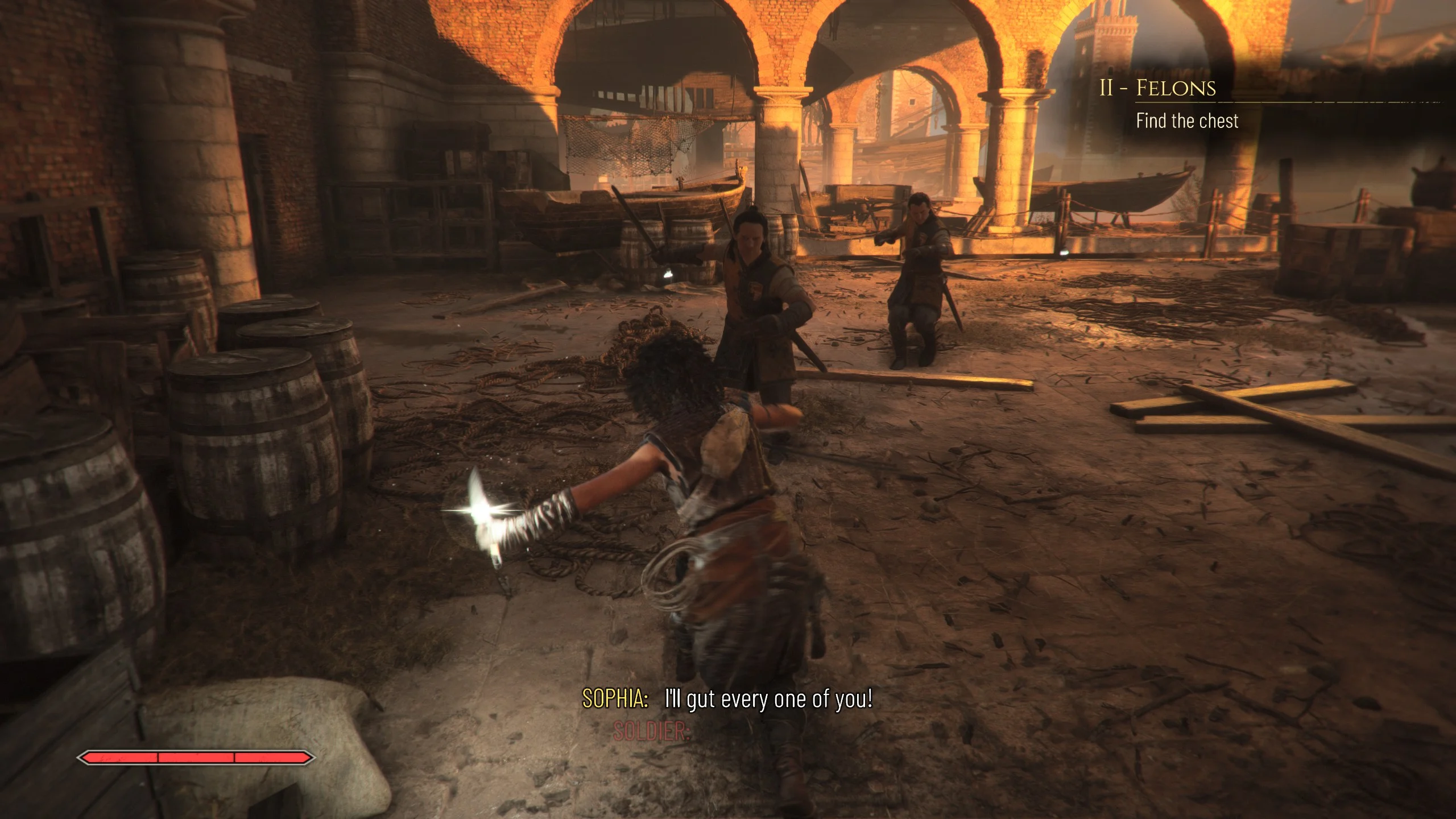
This game doesn't offer a varied moveset: Sophia only has one button melee attack and attacks ranged which has an effect that is more like stagger. Health bar Enemies are typically divided into several segments, and each attack reduces one segment (except for bosses), thereby dealing damage is no longer the main challenge. What’s harder is surviving through parry, counter, and power move. How it works parryIt's as simple as usual—just press the button block, with just the right length: not too long and not too short. The number of mini-bosses and enemies is also similar to the previous two games. As long as the context of this game is understood, combat This is sufficient.
Stealth and puzzle solving I like almost all of them because straightforward and simple, and it fits well with the temple atmosphere on the island. However, this could also be a point of criticism for fans puzzle which is challenging.
In my opinion, the series A Plague Tale It does, in fact, always focus on strength storytelling through various scene-nya, not a variation combat, because efforts to expand combat could actually open the door to new criticism. With a story that’s still relatively linear, combat Here, it serves to complement the story, just as in the first two games, which also always featured encounters with enemies. On the other hand, the visuals, music, and pacing excels at enhancing the atmosphere of the story as well as combat... One example is when Sophia had a vision of the past in setting the same place as the present day, so every area we explore feels like it has a real emotional connection.
The Same Outbreak, Different Feelings
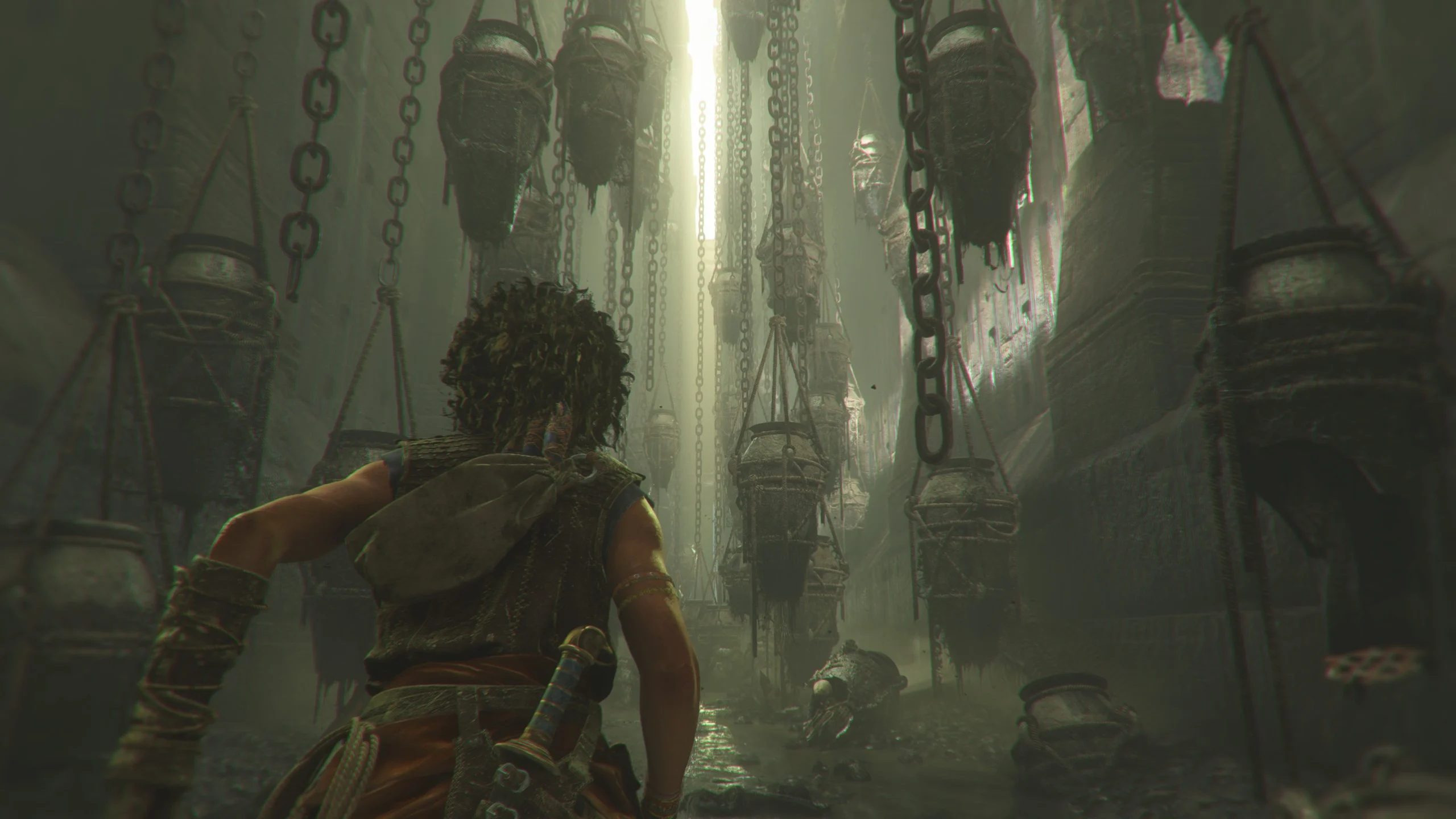
The sense of a pandemic that has become core story Resonance It’s so intense, especially through Sophia’s interaction with the physical manifestation of the plague (which I’d rather not spoil). My first reaction when I saw it was, “Oh my gosh, this again?” what?”, though with a sense of awe and some nervousness. Compared to the swarm of rats in Innocence and Requiem, the outbreak here interacts more directly with us as we play, whereas in the previous two games, the outbreak was more often presented as an environmental threat and a tool of power for certain factions.
The most memorable moment for me came toward the end, when Sophia encountered the source of the outbreak at that location. The context was developed neatly and consistently.
One thing I’d like to note is Sophia’s relationship with one of the older characters who is briefly introduced at the beginning and reappears in the latter half of the story. The conflict between them felt resolved too quickly. Also, it would be better if Sophia and companion...they stay together longer, and some supporting characters or companion more deserving of ending heroic. This may seem subjective, because the change companion It seems intentional, with closely spaced time intervals that make sense within the story. Hoping that all the characters get a heroic ending is like hoping that every story ends happy ending.
Conclusion
Resonance: A Plague Tale Legacy It's satisfying for someone like me who enjoys storytelling based on its first two games, and the answer is: it doesn’t disappoint. Asobo Studio seems to be taking the development of this IP very seriously A Plague Tale via spin-off which rounds out Sophia’s story—a character who hasn’t been explored much so far. I’m curious about the next game: should it stick with the same mechanics stealth, or expand combat? And what about the other characters—are they interesting enough to explore?
Pros
- Storytelling, visuals, music, and pacing that blend well with areas that have a strong background.
- The outbreak, which has had a more direct impact, has created new tensions, compounded by combat simple yet meaningful, so as not to obscure the essence of this game.
Disadvantages
- Variations combat limited; not well-suited for those who expect hack and slash.
- Sophia's relationship with the older characters and companion It felt too short.
Resonance: A Plague Tale Legacy: The combination of strong storytelling and a more immediate new outbreak makes *Resonance* feel fresh as a spin-off, even though the combat is simple and the relationships between the characters feel too brief. It’s worth playing, especially for fans of the *A Plague Tale* series. - Darien T.