










Historical anime in the summer of 2026 isn’t limited to major wars or famous figures. Some titles are closely tied to real history, while others use the past as a backdrop for fiction, fantasy, or alternate history. From samurai, the Mongol Empire, early 20th-century Kyoto, to Japanese performing arts, this list shows that historical elements in anime can take many forms.
4. Jaadugar: A Witch in Mongolia
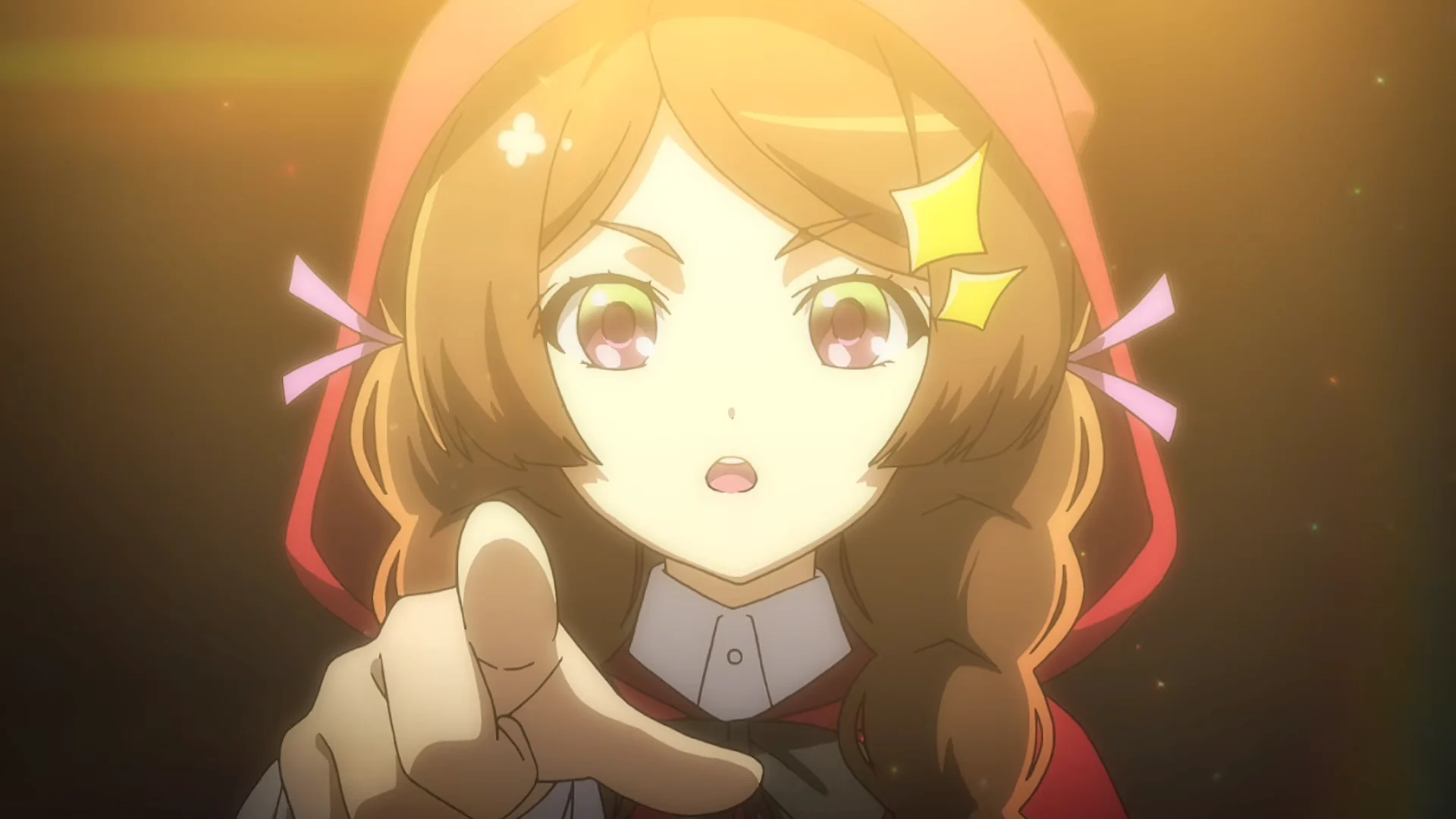
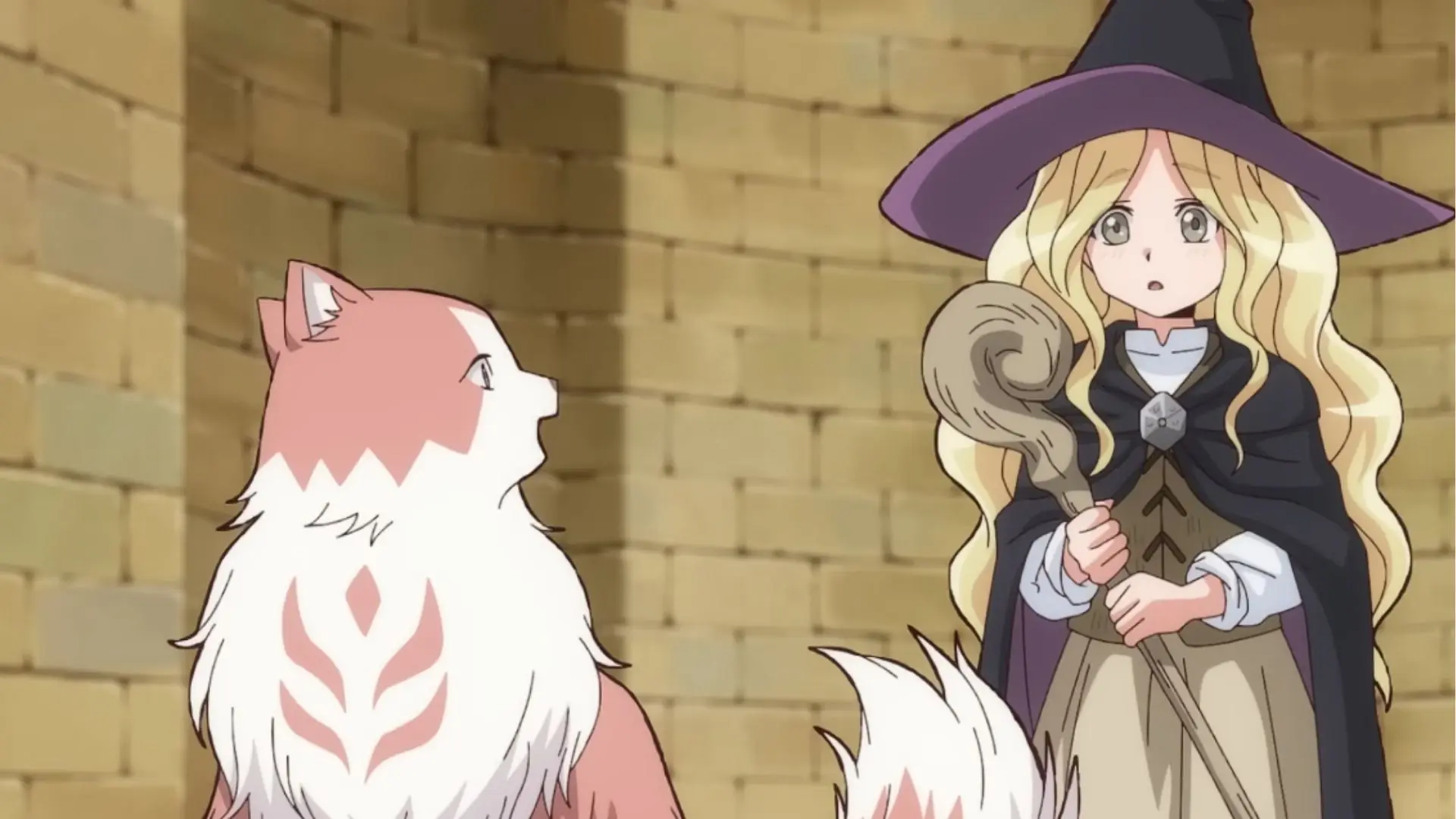
Jaadugar: A Witch in Mongolia (Tenmaku no Jaadugar) Set in the Mongol Empire of the 13th century, the story follows Sitara, a young girl who loses her mother and later meets Fatima, a woman from a family of scholars.
Through Fatima, Sitara began to discover the world of science. However, her life changed when a major conflict and the expansion of Mongol power shattered her small world. The historical elements of this anime are evident in its medieval Eurasian setting, the structure of Mongol power, and the role of science during that era.
With a historical fiction approach and a touch of historical fantasy, Jaadugar: A Witch in Mongolia It draws its appeal from Sitara’s journey, shaped by tragedy, knowledge, and the will to survive. The Mongolian setting also makes it feel fresh compared to historical anime, which more often feature feudal Japan.
3. Sparks of Tomorrow
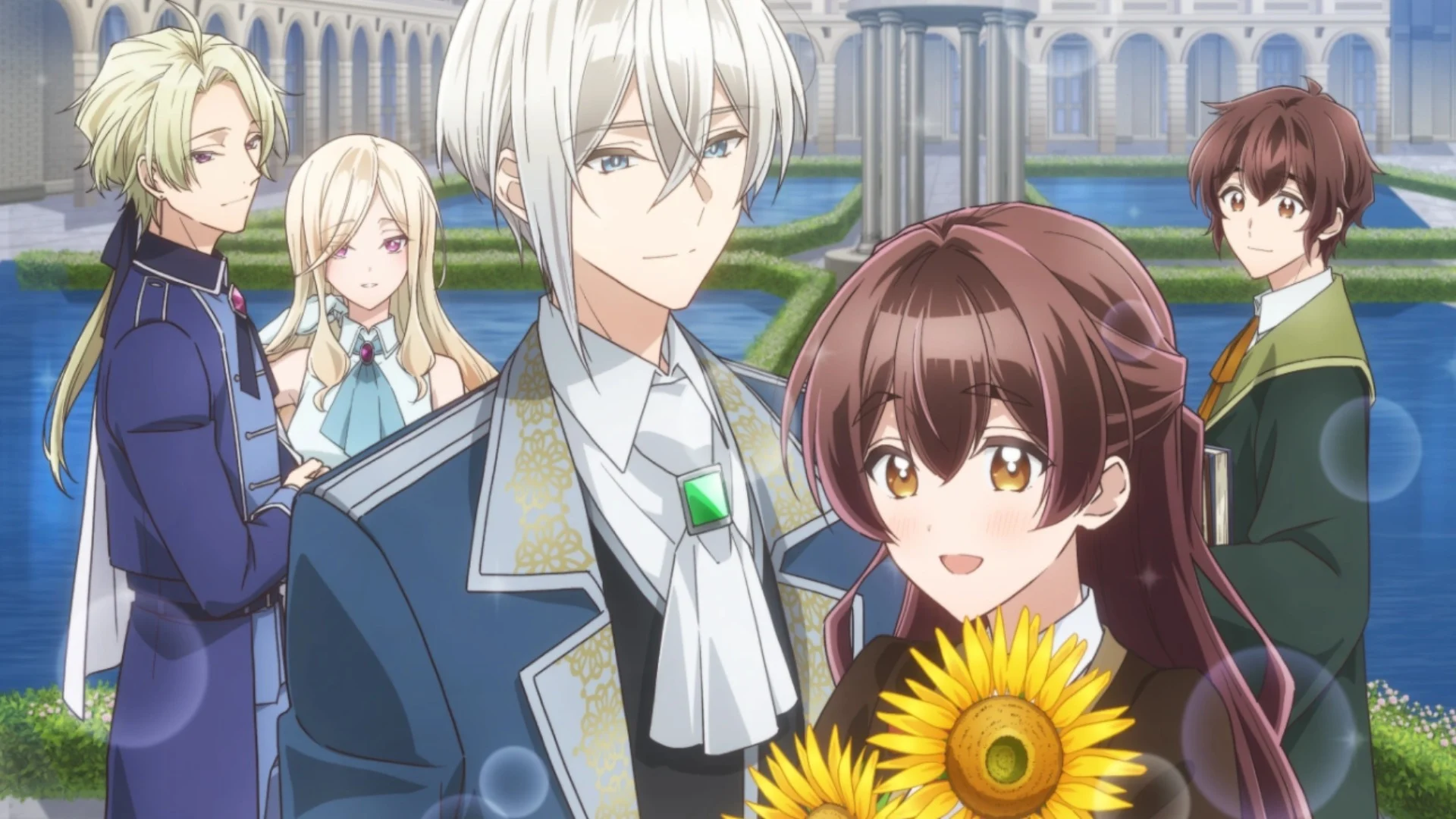
Sparks of Tomorrow (Nijuuseiki Denki Mokuroku -Eureka Evrika-) Set in Kyoto in the early 20th century, but using an alternate history approach. This anime imagines a past in which steam engine technology was still dominant, while electricity was a symbol of the future.
The story centers on Kihachi Sakamoto, a boy who has lost his brother, and Inako Momokawa, a girl who also carries regrets from her past. Their journey is tied to the secrets of the “20th Century Electricity Catalog,” which gives the story a sense of technological adventure and alternative historical mystery.
Historical elements emerge from the atmosphere of Japan’s modernization, old Kyoto, and changes in the way people view the future. The appeal Sparks of Tomorrow It lies at the intersection of loss, trust, and dreams of technology, so that the past feels like a space to imagine a history that could have unfolded differently.
2. The Elusive Samurai Season 2
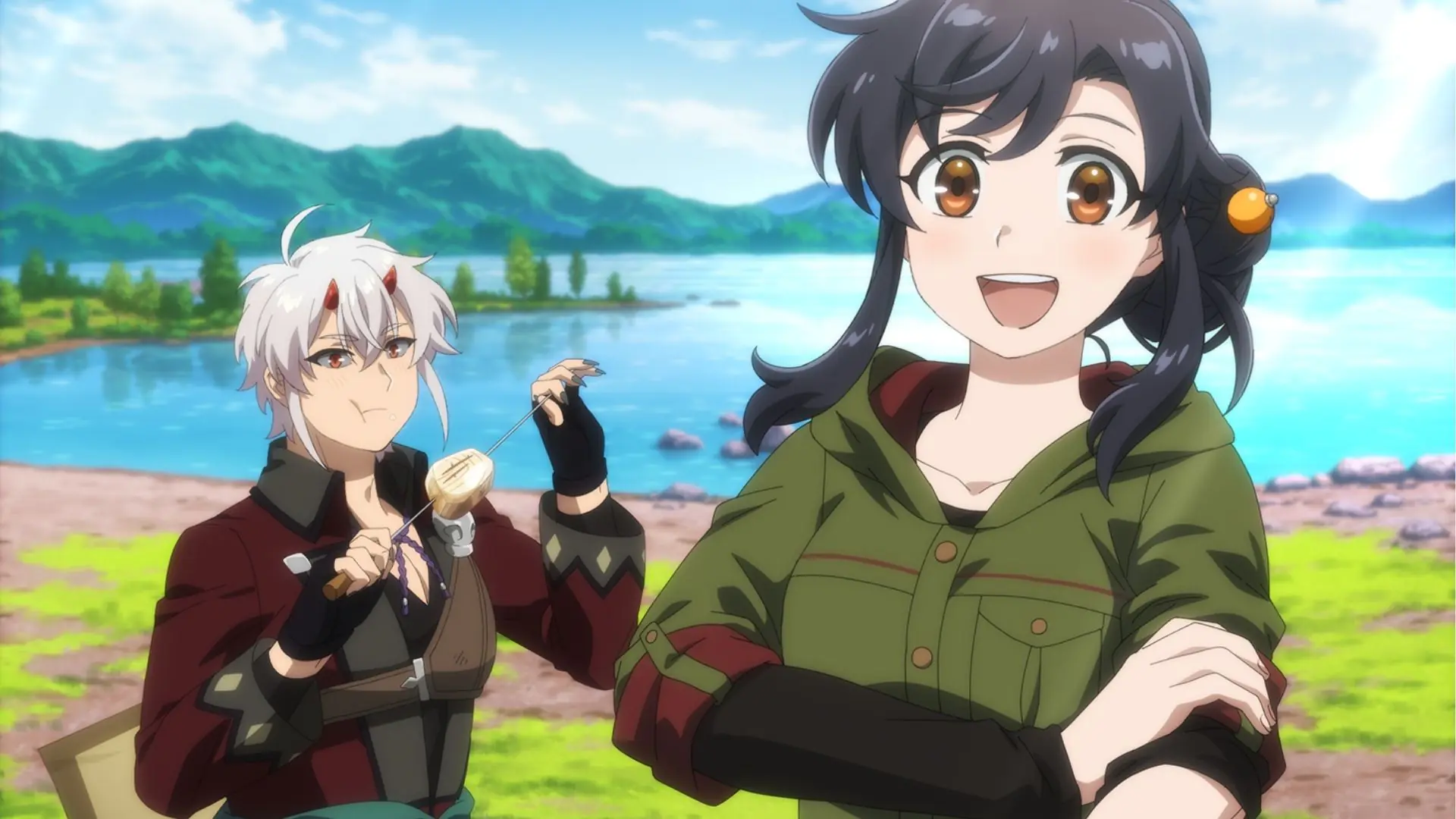
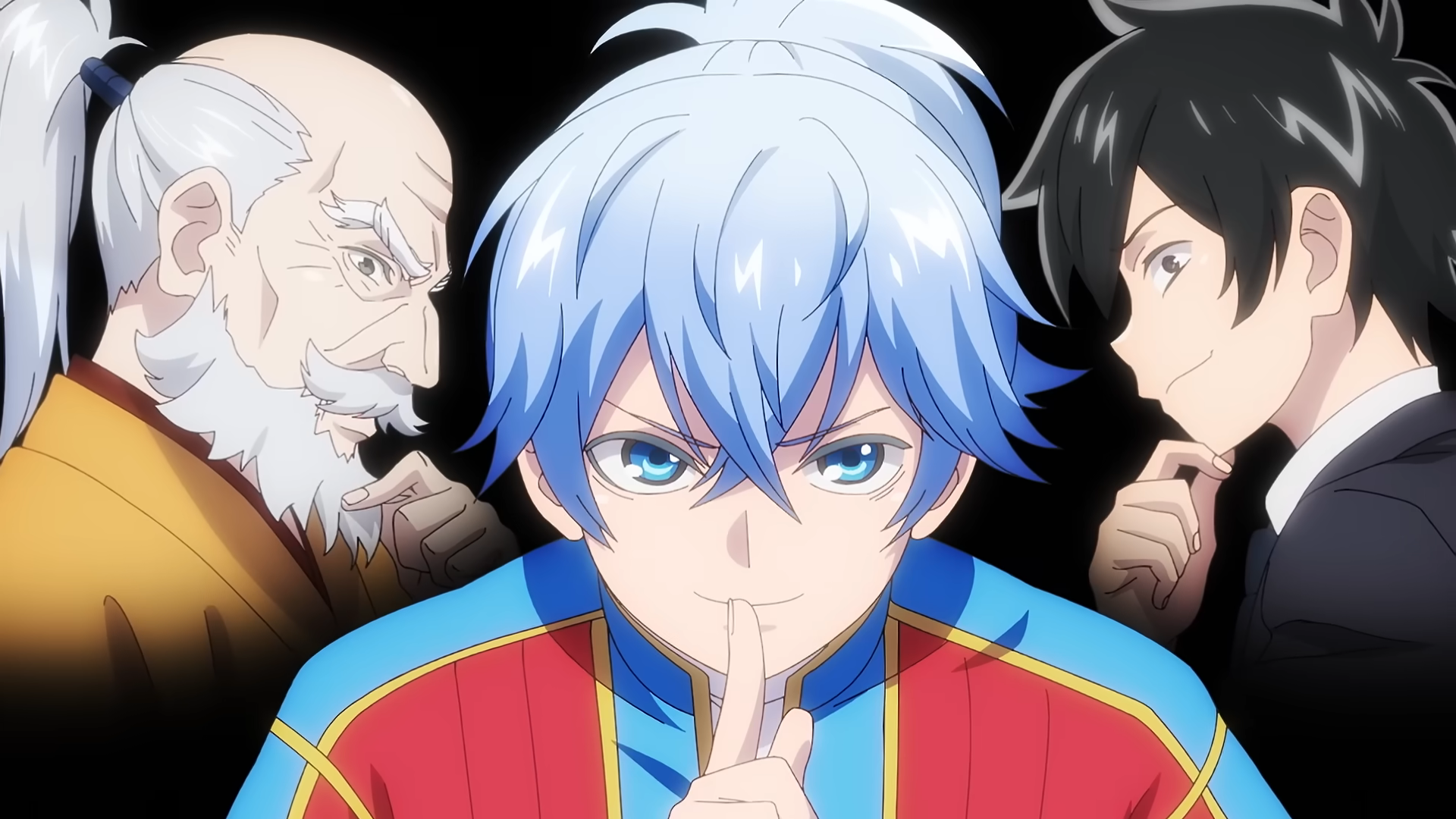
The Elusive Samurai Season 2 (Nige Jouzu no Wakagimi 2nd Season) continues the story of Hojo Tokiyuki following the collapse of the Kamakura shogunate in 1333. Tokiyuki was a real historical figure, and the conflict involving Ashikaga Takauji took place during a pivotal period in Japanese history.
However, this anime presents that setting in a shounen style filled with fast-paced action, humor, expressive visuals, and dramatic character development. As a result, the political conflicts and changing times feel easier for modern audiences to follow.
The appeal of Season 2 lies in Tokiyuki’s development as a young leader who does more than just survive by running away. He begins to understand strategy, loyalty, and the cost of political struggle, so The Elusive Samurai Season 2 It still has historical depth even though it’s presented as an energetic action anime.
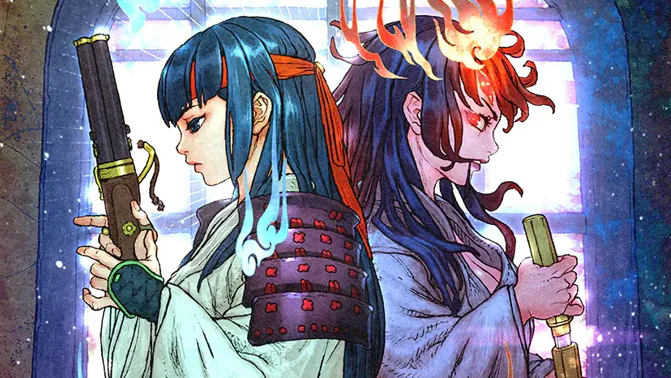
1. The World Is Dancing
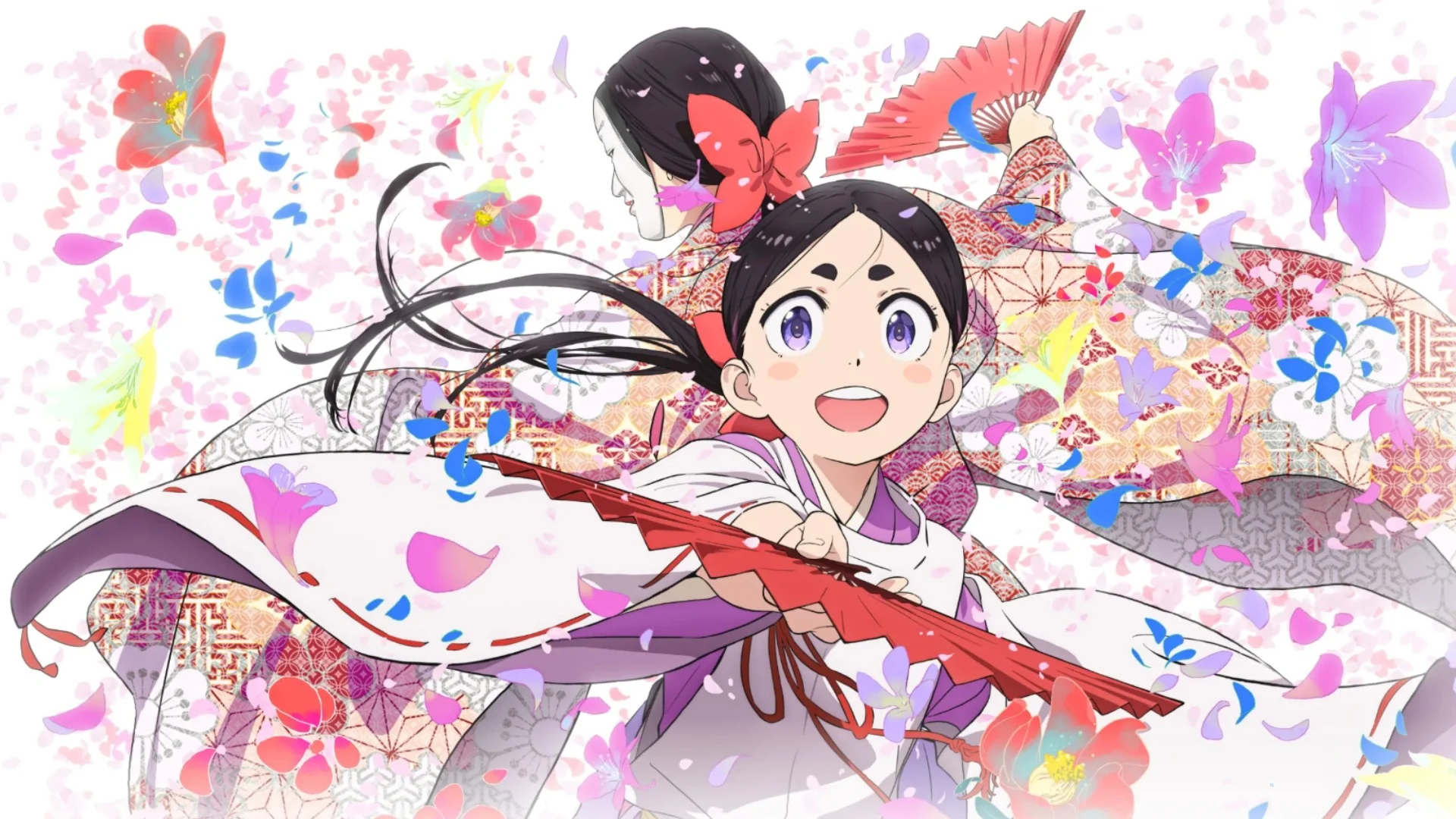
The World Is Dancing is set in Japan in 1374, when the conflict between the Northern Court and the Southern Court was still shaping the political landscape. However, the anime does not focus primarily on the war.
The focus is on Oniyasha, the son of Kan’ami from the Kanze troupe, and the world of sarugaku performing arts, which later became linked to the development of Noh. Historically, this anime is interesting because it is connected to Zeami, a key figure in the history of Japanese Noh.
Strength The World Is Dancing It lies in the way history is viewed through art, theater, movement, and the creative process. This approach gives it the potential to be the most unique historical anime of summer 2026, especially since its perspective is more reflective than simply focusing on war or power struggles.