

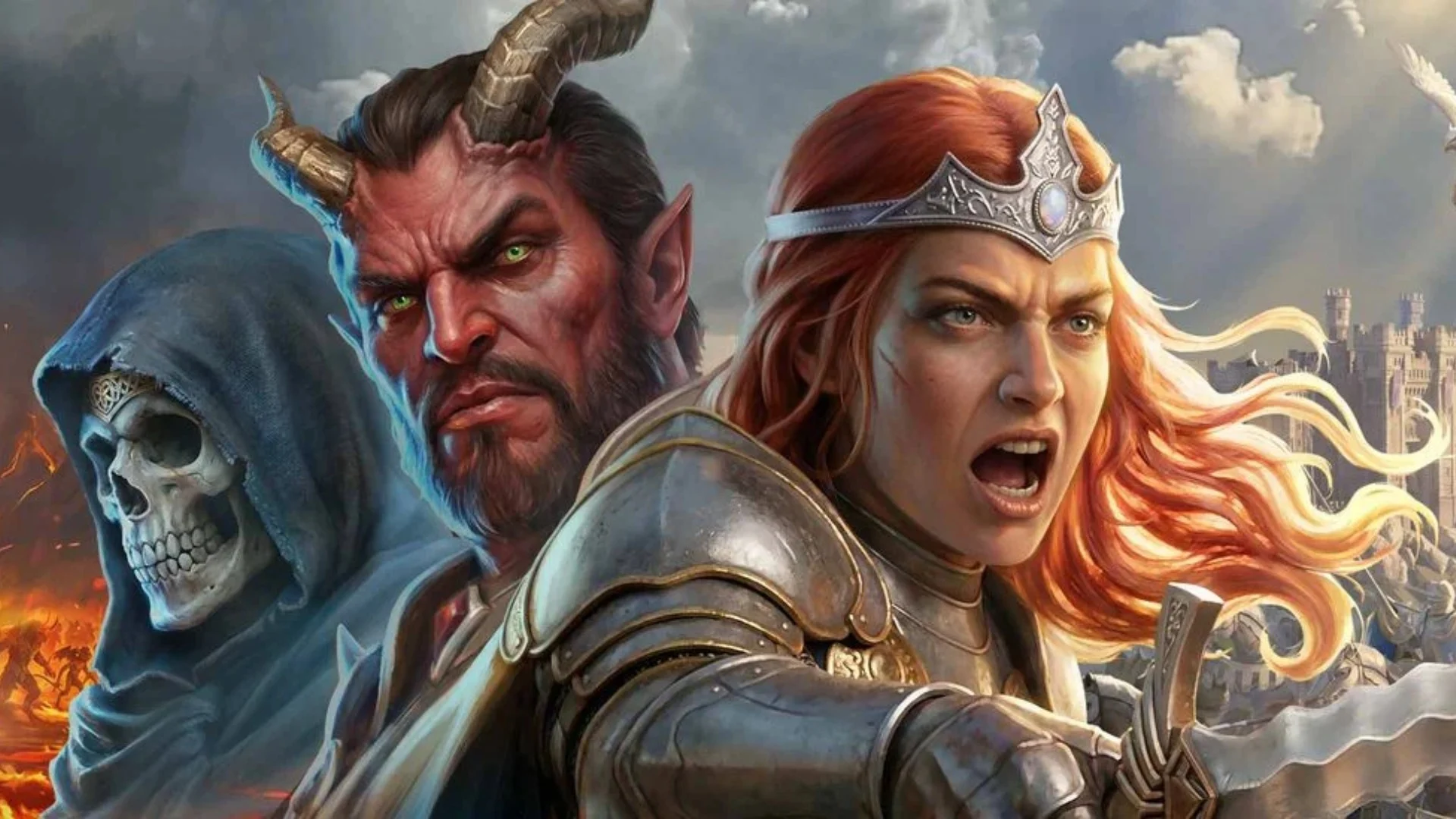
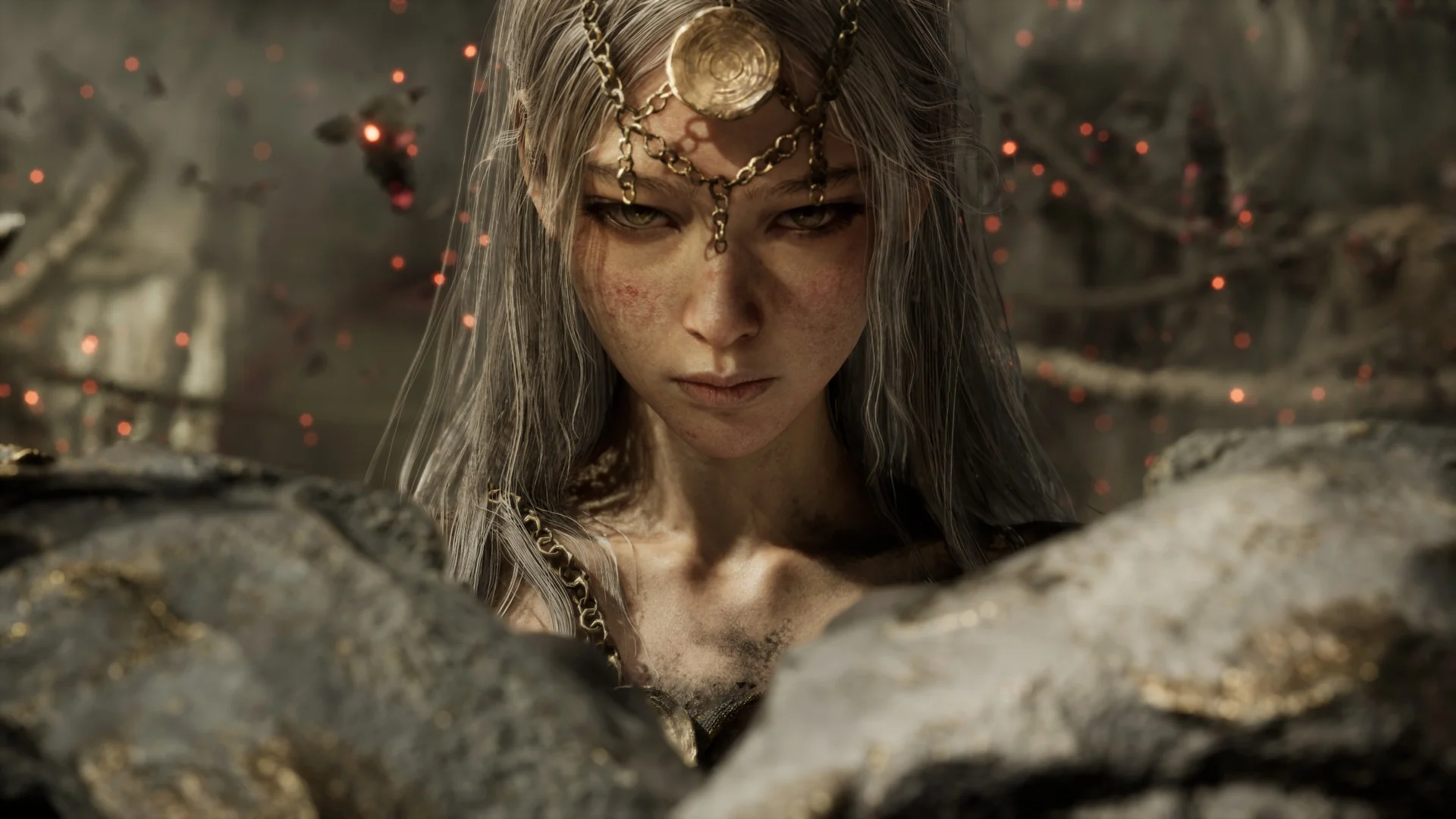













When I first saw the release of *Metaphor: ReFantazio* and after playing it for the first few hours, I thought to myself: “This seems like just another Atlus game—the same as the other titles in the series. Only the visuals are different; the combat mechanics are similar, and the game’s details include loading screen ”It doesn't seem much different, either. So what's new?" As it turns out, after playing it some more, this game does indeed succeed in blending Atlus's signature style with something new.
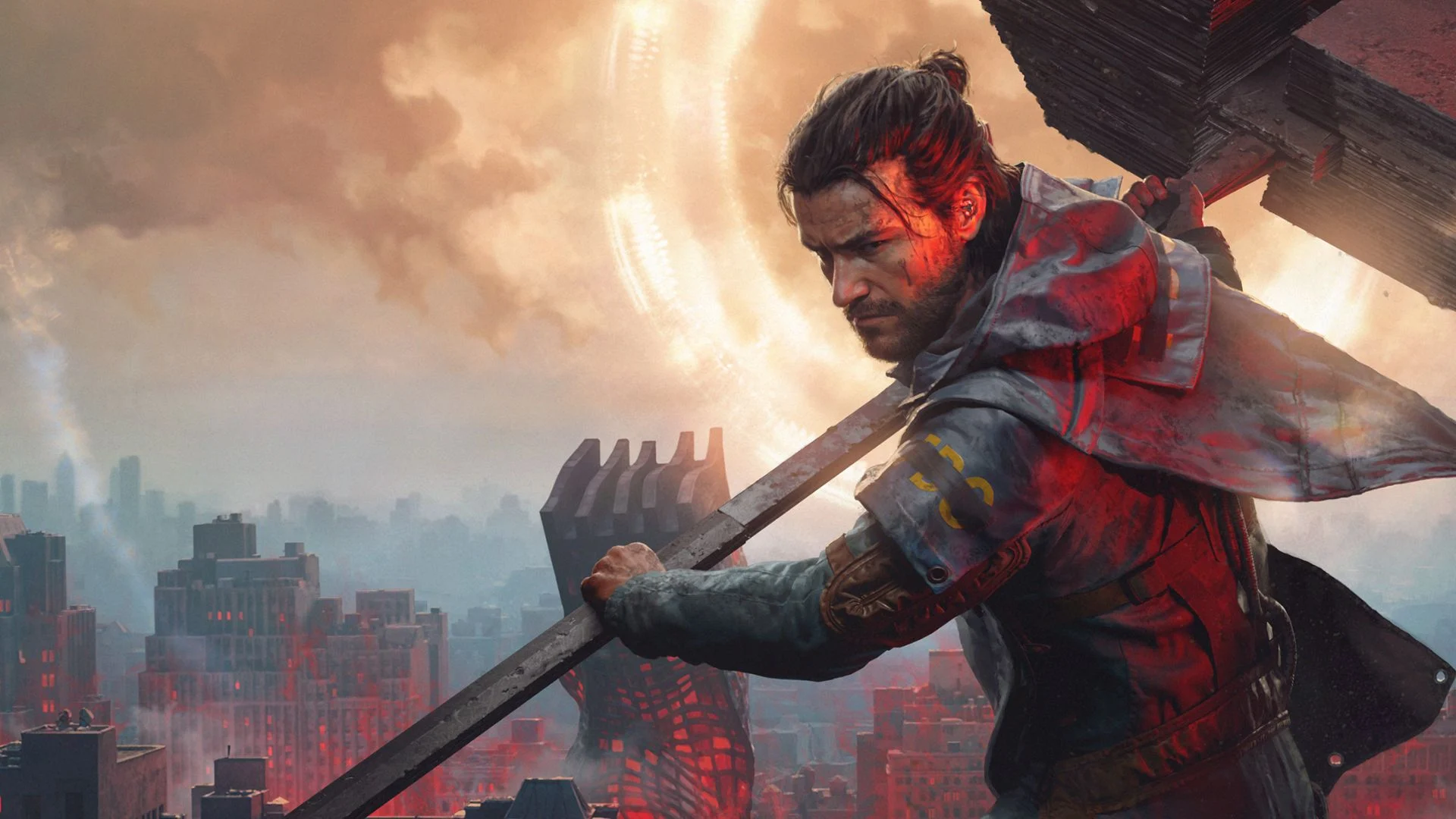
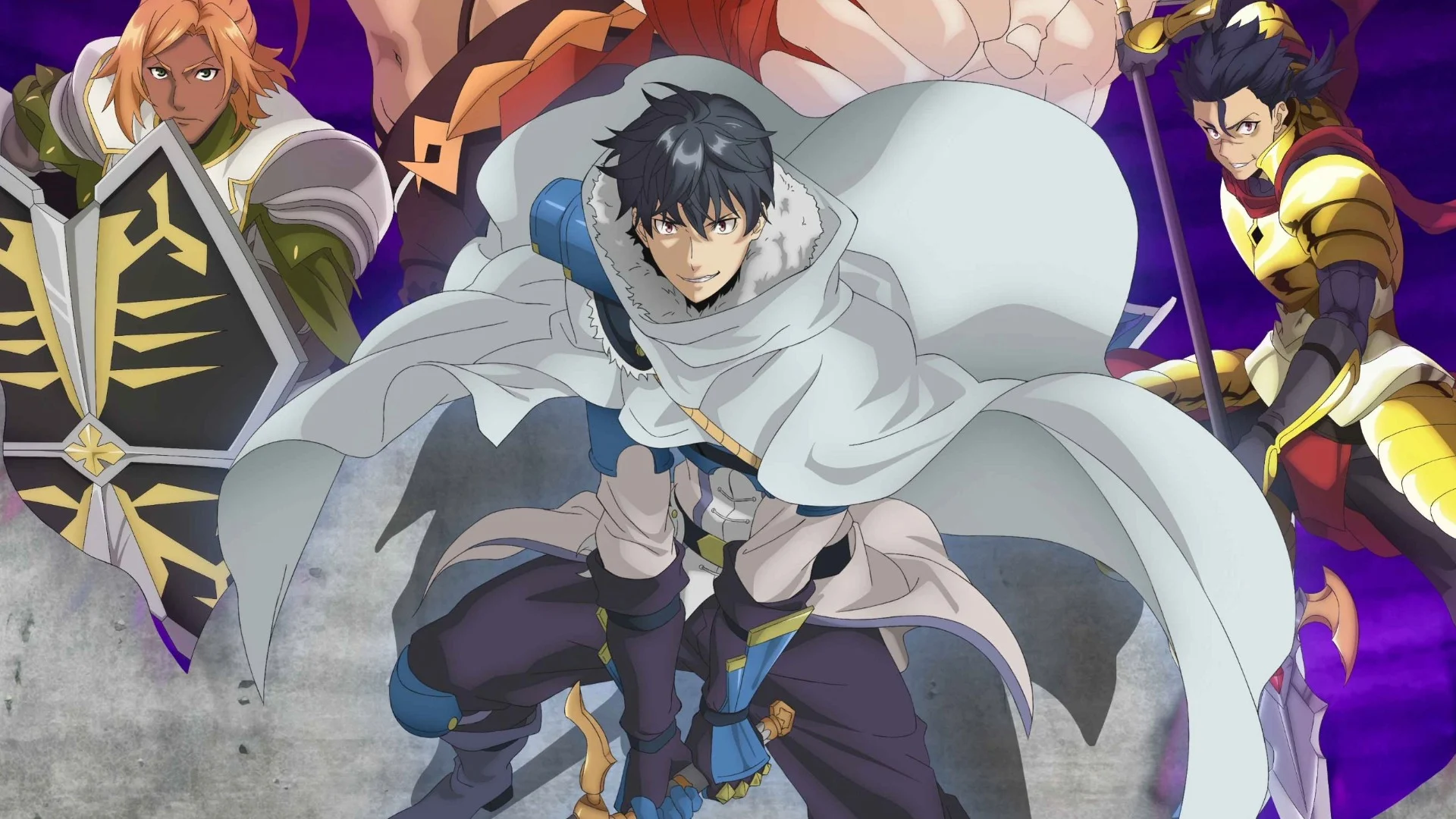
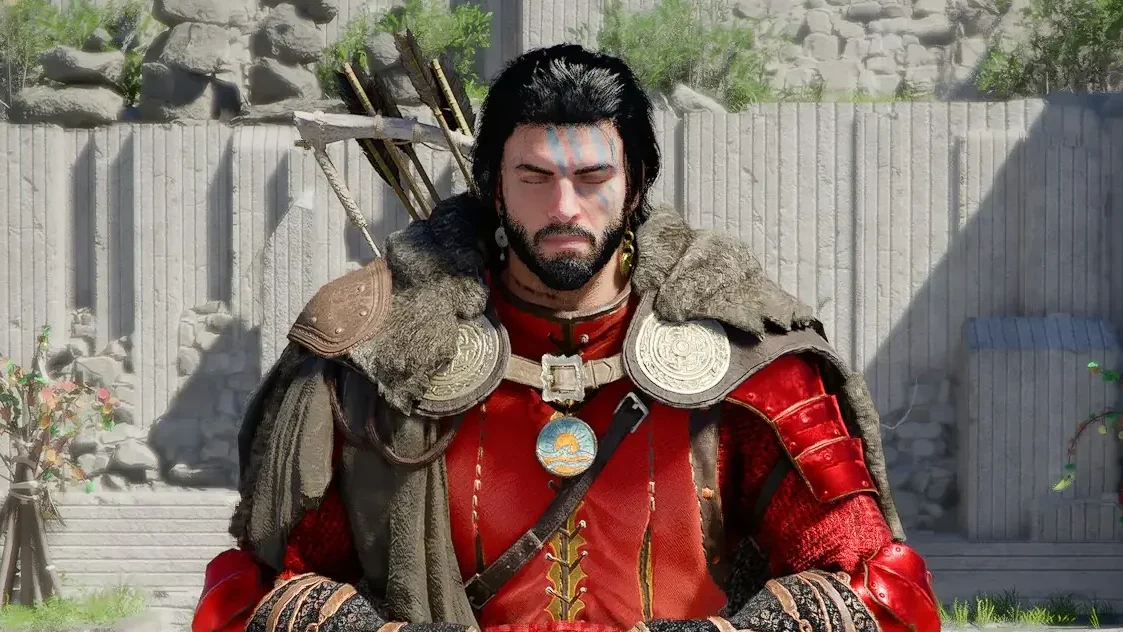
Metaphor: ReFantazio could be said to present a world in the style of Persona but with a new story and modern mechanics. Just like the story in Metaphor website On his own, this nameless protagonist must navigate his way alongside his team to become king of a new world, realizing an ideal that seems quite difficult to achieve at the very beginning of the game. The story is fairly linear, with various side quests that support the main narrative, making *Metaphor* one of Atlus’s strongest recent releases.
But just how good and solid is Metaphor?
Atlus's Turn-Based Formula Remains Solid
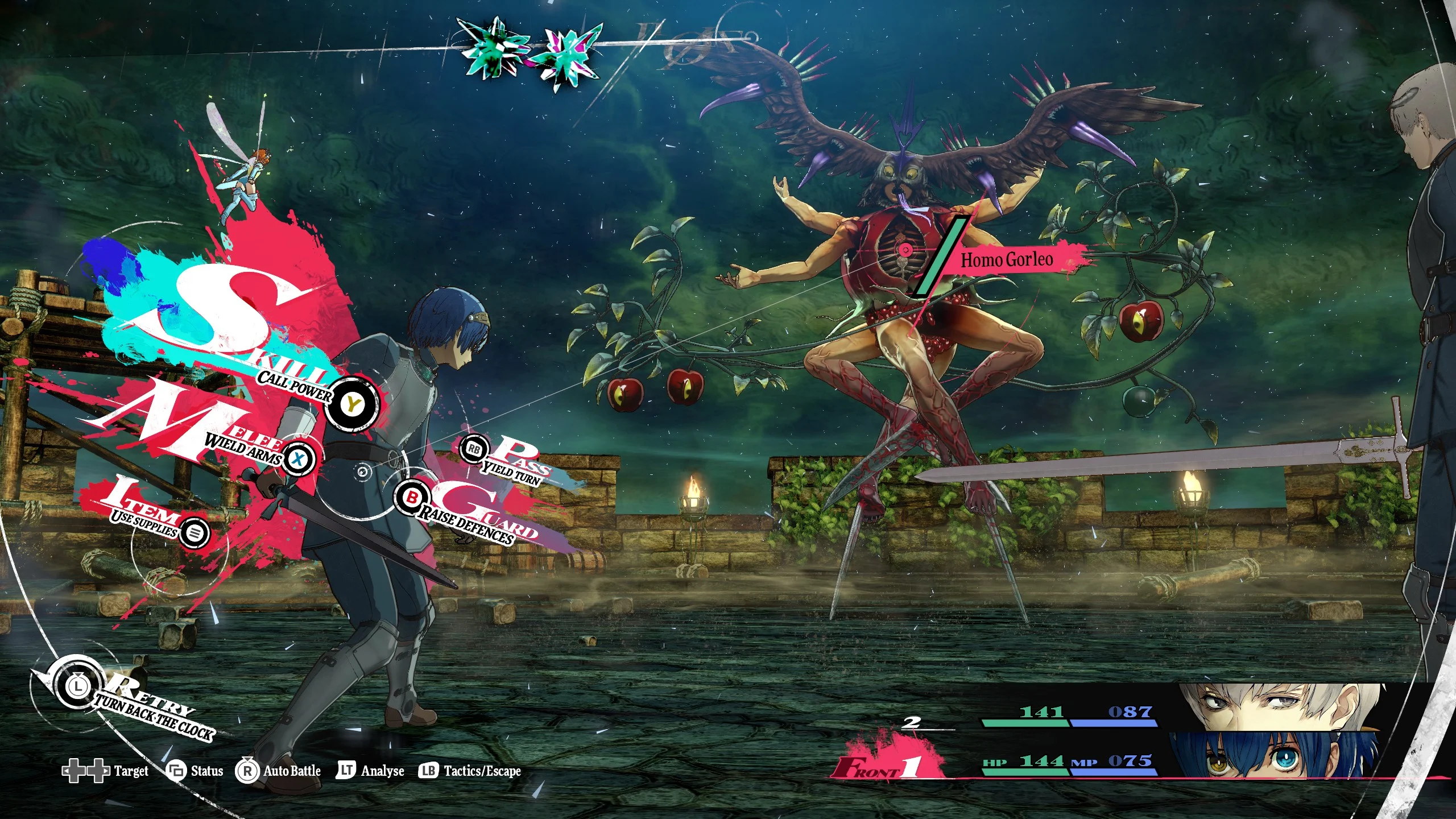
Atlus will, of course, continue to use the system turn-based combat for this game, even though it’s a new IP. I won’t go into too much detail or debate whether turn-based That will be the fate of every Atlus game, but that is precisely why we need to test the maturity of this game. Some of the distinctive features of turn-based Atlus-style mechanics return in *Metaphor* one more based on weakness (including resistance in many specific elements). Over the course of about 70 hours of gameplay, I didn’t encounter any significant issues, and it didn’t take long to learn the game’s mechanics.
One feature I really like—even though I rarely use it—is the option to return to an earlier stage of the battle. In difficulty Even on normal difficulty, I found that some battles and monsters could be pretty annoying, especially if set up The party's characteristics are the opposite of the enemy's abilities. In critical moments or when I want to adjust my strategy, I can rewind repeat (on an Xbox controller, the R3 button). It’s important to note that, rewind It always goes back to the beginning, so we can't trace back every action that has been taken.
Grinding in the available dungeons can certainly help you make progress against enemies and bosses more easily, but when I completed at least every available side quest, my party’s level was high enough to take on various bosses. Of course, once again set up The party—including characters, equipment, and skills—is absolutely crucial. At that point, I was just grinding to level up the party in the phase leading up to the final boss, while the rest of the story progression continued as usual. The balance is still good; it reminds me of the grinding in *Persona 5 Royal*, which was also within reasonable limits.
Of course, like other Atlus games, daily deadlines remain a hallmark feature that encourages players to balance their time and grinding. I was initially concerned about some of the deadlines in certain story phases, but it turns out they’re manageable as long as you pay close attention to the effects of each interaction (most of which take one day or more).
A simple yet powerful story formula
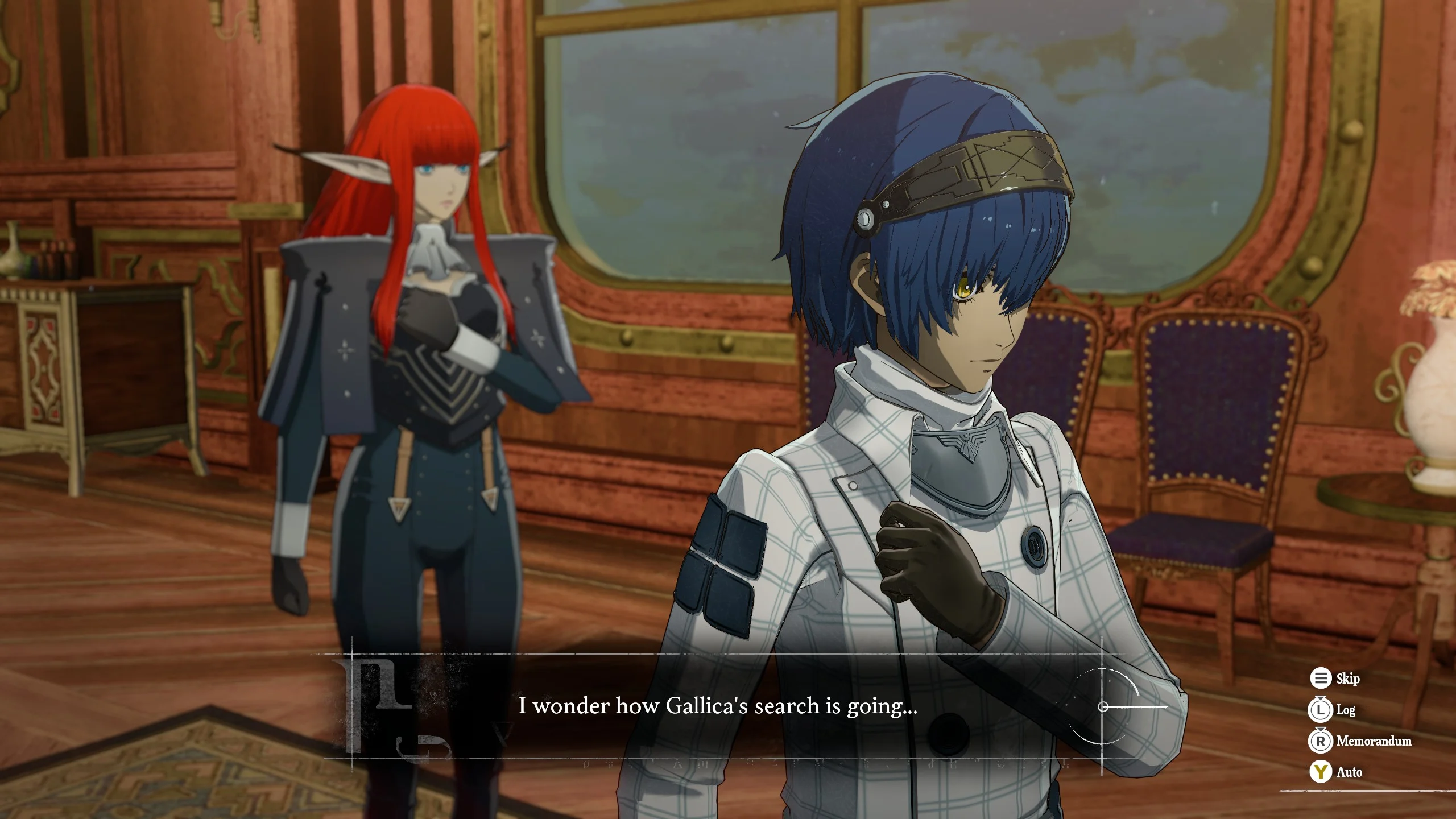
When it comes to the story—which I think is one of the most compelling and powerful aspects of every Atlus game—*Metaphor: ReFantazio* certainly has a clear narrative premise: the protagonist’s journey to becoming king. From start to finish, throughout every phase of the story, we can see where the narrative is headed, though there are several backstories for each character that complement the main reason behind the protagonist’s journey (which, of course, I can’t spoil). PacingIn my opinion, it’s still pretty normal and there aren’t any problems—perhaps the main reason is that the activities we can do at each place are quite unique.
As I briefly mentioned earlier, the protagonist embarks on an adventure alongside several characters (who fight as a party). The party can have a maximum of 4 members, but there are more supporting characters, so mix and match The character development is quite important. I really appreciate that every side character in this game has a fairly interesting and deep backstory—as long as we take the time to deepen our relationship with them through side quests.
Of course mix and match This party could be quite limiting, and I’ve found that certain characters have combat abilities that are generally more useful than others. That said, I think it really depends on the individual player. The emotional connection to a character might not be comparable to its usefulness in battle. But don’t get me wrong—once again, every character has a background that’s quite interesting and useful, if you—set up well.
Well-executed art direction, with a few minor notes

Let’s not forget to discuss the artistic style of the game itself. Metaphor: ReFantazio once again delivers excellent artistic design, from the music to the menu art. First, when it comes to the music, composer Shoji Meguro doesn’t disappoint, providing unique themes for each phase of the story. Second, the menus and action options in each battle are, of course, well-crafted in typical Atlus fashion—and, of course, tailored to Metaphor’s artistic style. Third, the monster designs are… strange and creepy (and intriguing).
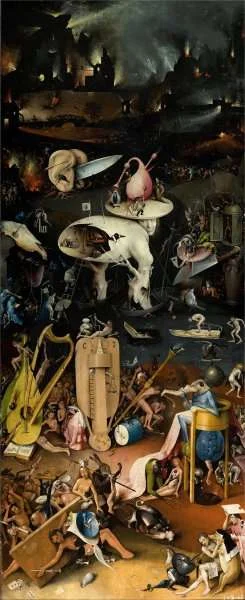
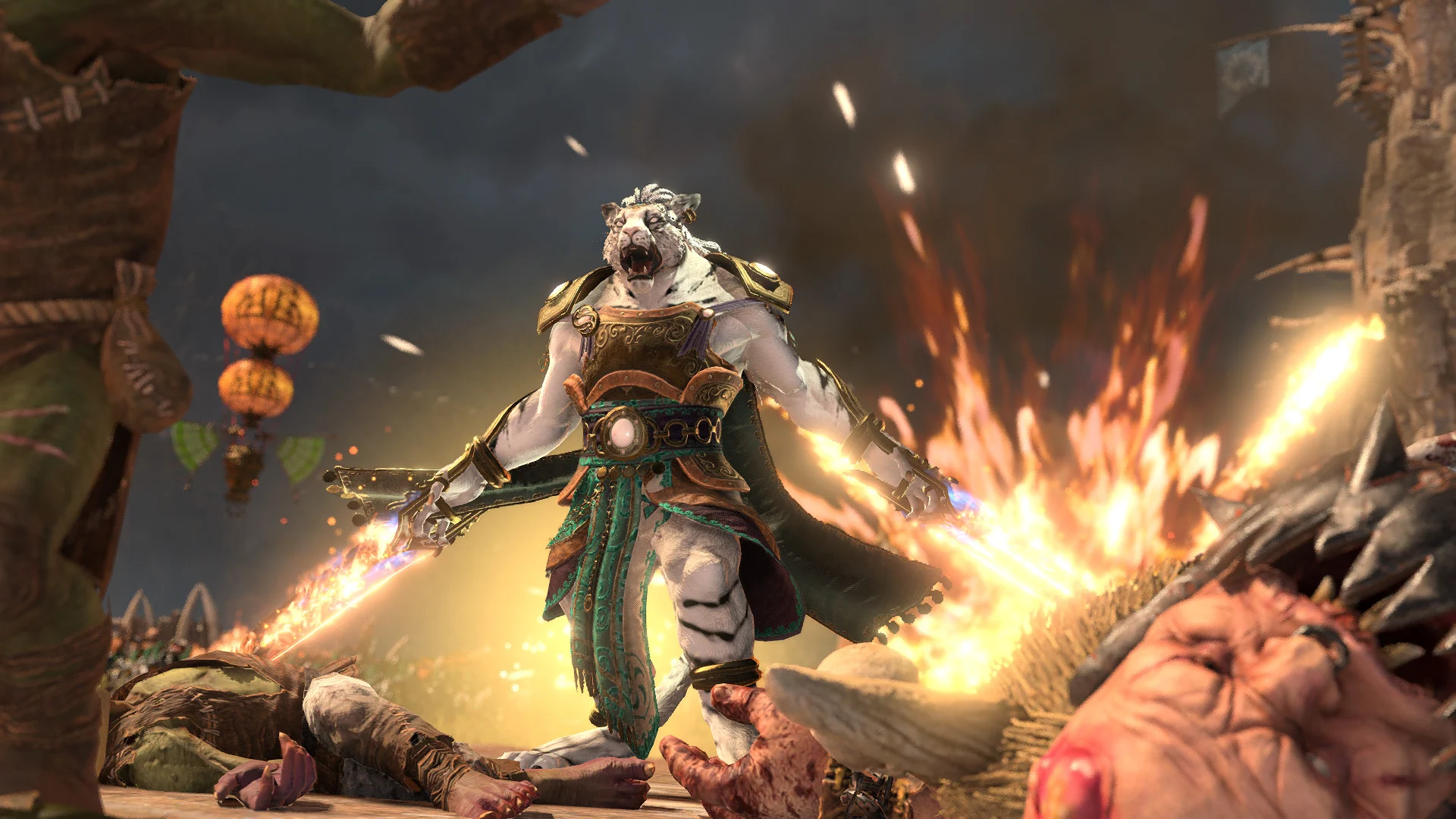
This monster’s design really caught my attention, because I believe monsters or enemies are one of the most important design elements in any game, especially RPGs. After my curiosity got the better of me and I looked into it, I found that the monster designs in *Metaphor: ReFantazio* are inspired by the artwork of Hieronymus Bosch. With a few modifications, I think these monster designs are already quite unique and, at times, downright creepy. What’s more, the monsters’ powers and attacks incorporate elements and movesets inspired by the artwork itself—though attack effects like poison and others might still be the same.
One thing that stood out to me was the inventory UI, which still isn't quite seamless. In the battle turn-based, It’s no secret that we players will inevitably use some of the items we’ve collected. In every intense battle, I find myself pressing the D-pad buttons repeatedly just to find potions to restore health or inflict effects on enemies. The categorization system isn’t particularly helpful during combat either, so I hope it can be made more effective in future updates.
Conclusion
Contrary to my initial doubts, *Metaphor: ReFantazio* is not just “*Persona* with new skins.” Atlus’s signature turn-based formula remains the backbone of this game, but the maturity of the combat system, the depth of the story and characters, and the bold artistic direction make Metaphor one of Atlus’s strongest titles in recent years. There are a few minor issues, particularly with the UI, but overall, this game successfully proves that Atlus still has plenty of new things to offer beyond the Persona IP.
Pros
- Combat System turn-based that has matured through a mechanism rewind that provides an advantage without feeling like cheating, supported by fair balance grinding
- A bold and original artistic vision, from monster designs inspired by Hieronymus Bosch to scoring Shoji Meguro’s powerful music in every phase of the story
Disadvantages
- Insufficient UI inventory seamless, making it difficult to navigate quickly during intense battles
- Composition party enough limiting, with some characters feeling much more useful mechanically than others
Metaphor: ReFantazio
Summary
Metaphor: ReFantazio proves that Atlus is capable of stepping out of the shadow of Persona without losing its distinctive identity—a polished turn-based formula, a compelling story, and bold artistic direction—though there are still a few shortcomings when it comes to the UI.