



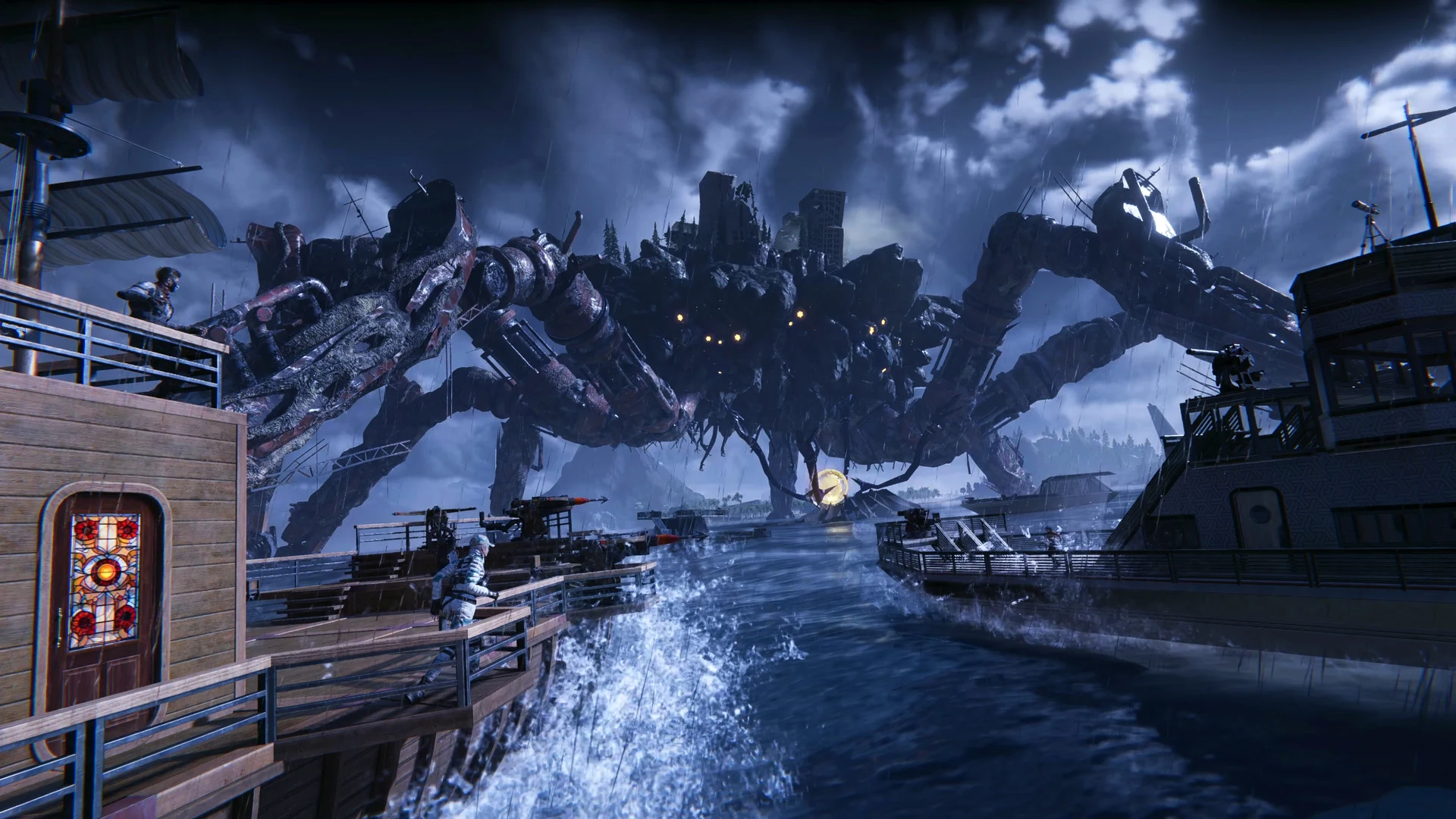











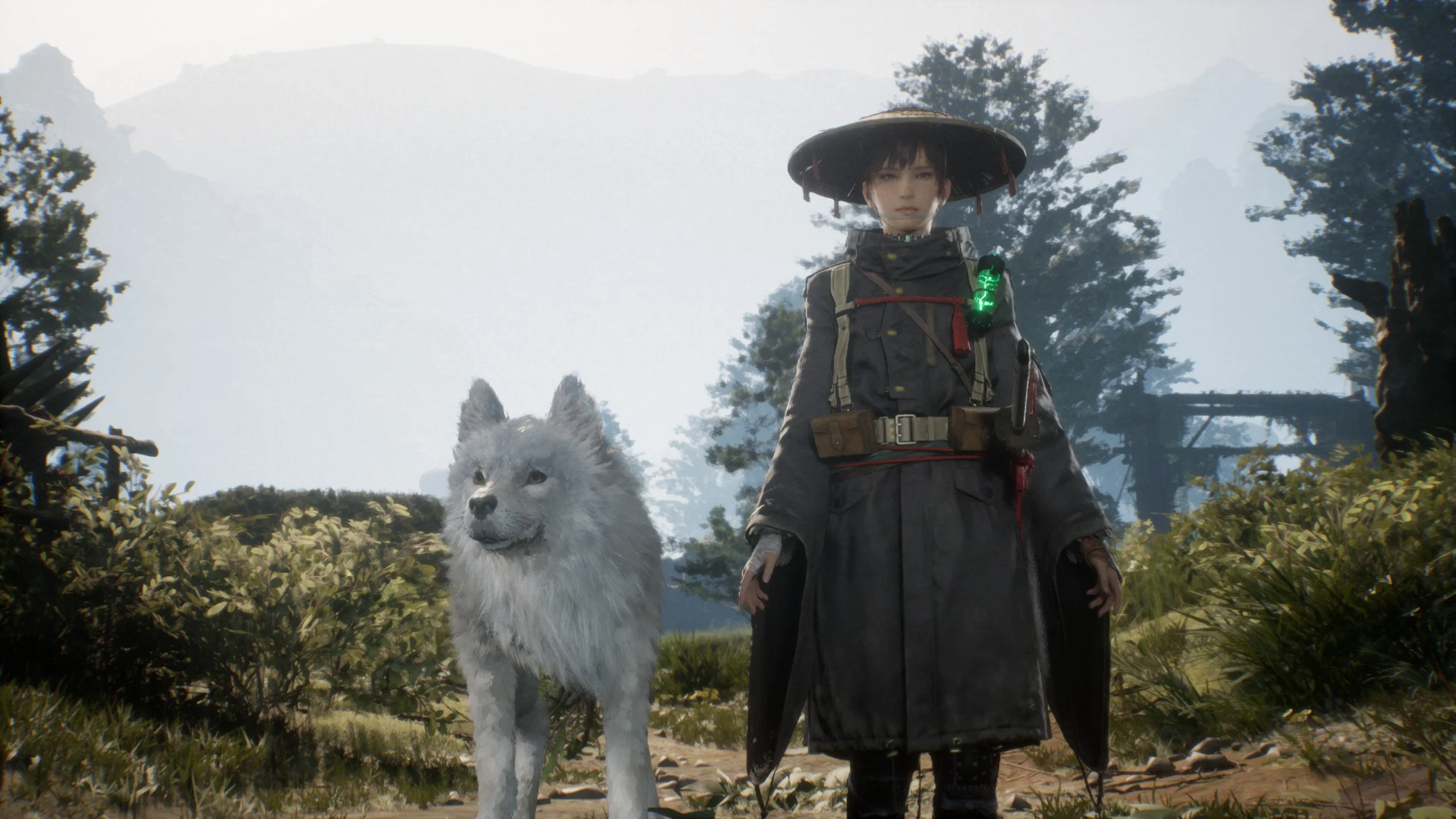
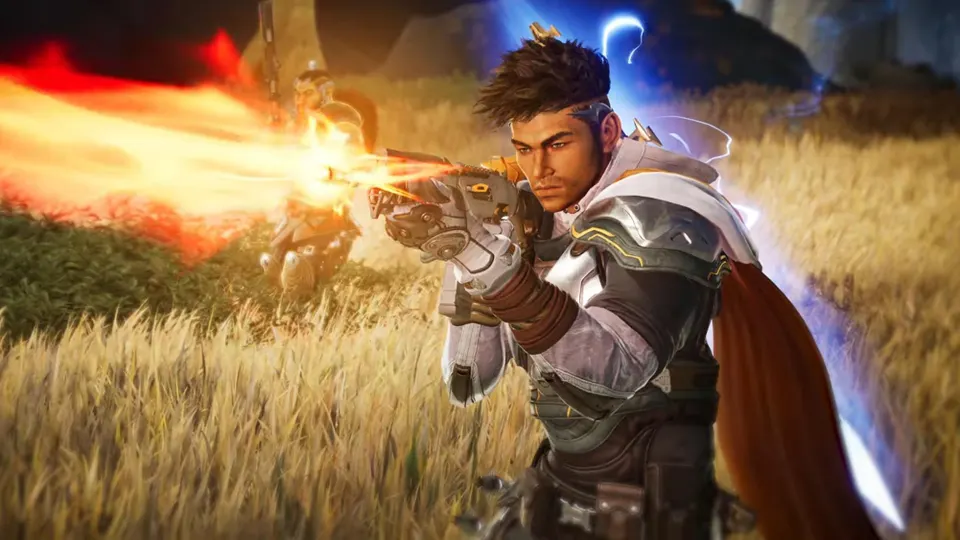

Highguard is set to cease service on March 12, 2026. This information marks a very quick end for the free-to-play shooter game made by Wildlight. In fact, Highguard had attracted great attention since it was introduced at The Game Awards 2025 and then released on January 26, 2026. In a short time, the game had recorded nearly 100 thousand active players simultaneously. However, that number dropped sharply just a few weeks after launch.
Wildlight said that more than 2 million people have played Highguard. Even so, this number was not enough to form a stable player base in the long run. The studio also admitted that they didn't manage to build a community that could sustain the game. The team's internal situation also came under scrutiny as support for the game was said to be handled by a small crew after a wave of layoffs.
Player decline is the main problem
Highguard's biggest problem was seen in its rapid decline in player numbers. At launch, the game had quite a strong momentum. However, that condition did not last long. In the latest report, the number of concurrently active players is even said to have dropped to below 500 people.
This kind of decline is a serious problem for live-service games. Without enough players, matchmaking, game rhythm, and community engagement can suffer. Ultimately, it makes it difficult for developers to keep the game operational, especially if support costs are ongoing.
Last Update Before Server Shutdown
Before the service ends, Highguard will still receive one last update. This update is said to bring new Wardens, new weapons, account level progression, and skill trees. The final patch is scheduled to arrive on March 3 or 4, 2026.
This gives longtime players one last chance to try out new content before the servers go completely offline. Even so, a closing update like this feels more like a farewell than a recovery effort. Wildlight also expressed its gratitude to the players who had supported Highguard's journey since the beginning.
Lessons for Live-Service Games
Highguard's case shows that the live-service game market is becoming increasingly difficult. It's not just about coming up with interesting concepts or performing on a big stage, it's also about keeping the gameplay exciting, the community active, and the content updates relevant. When one of these elements falters, the impact can be felt in no time.
The end of Highguard also adds to the list of live-service games that shut down shortly after launch. For many players, this situation is a reminder that the lifespan of a game today depends heavily on retention, development direction, and the studio's ability to read the needs of the community from day one.