




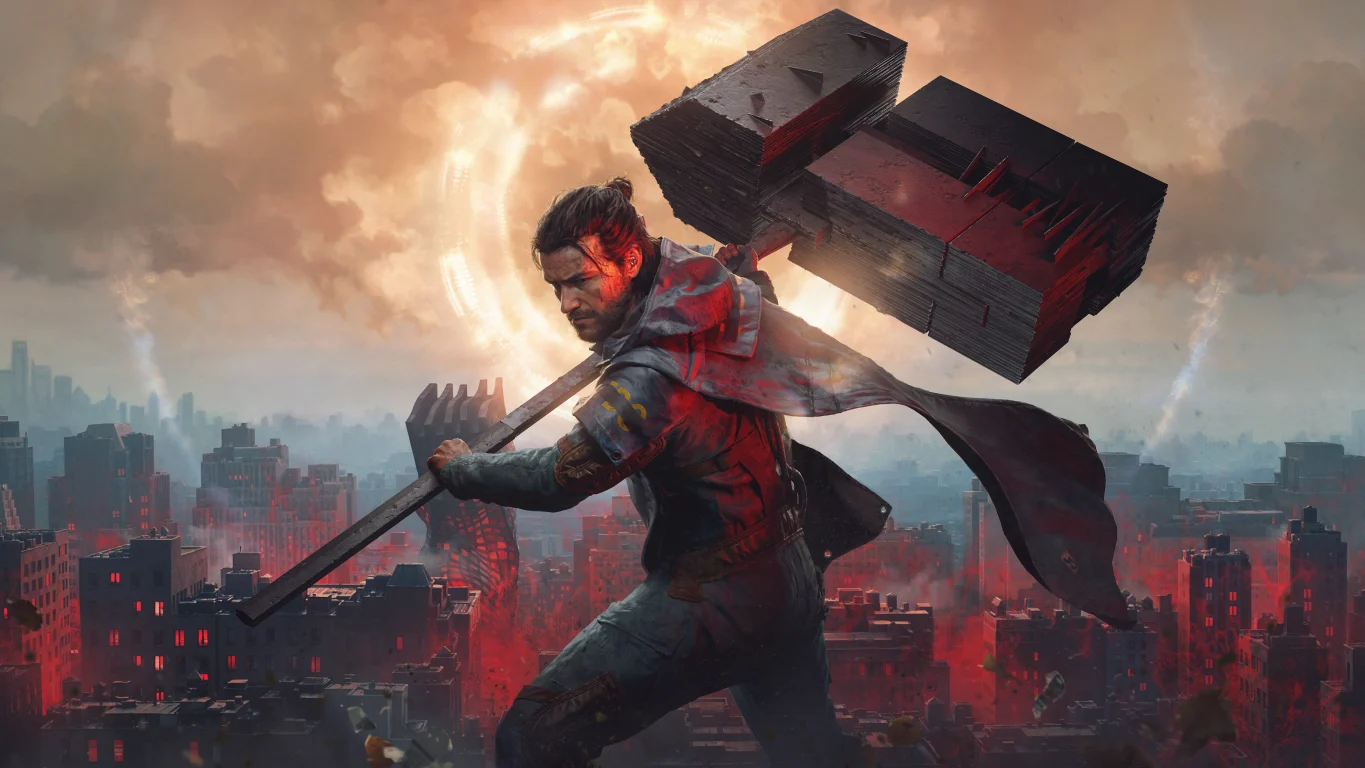




















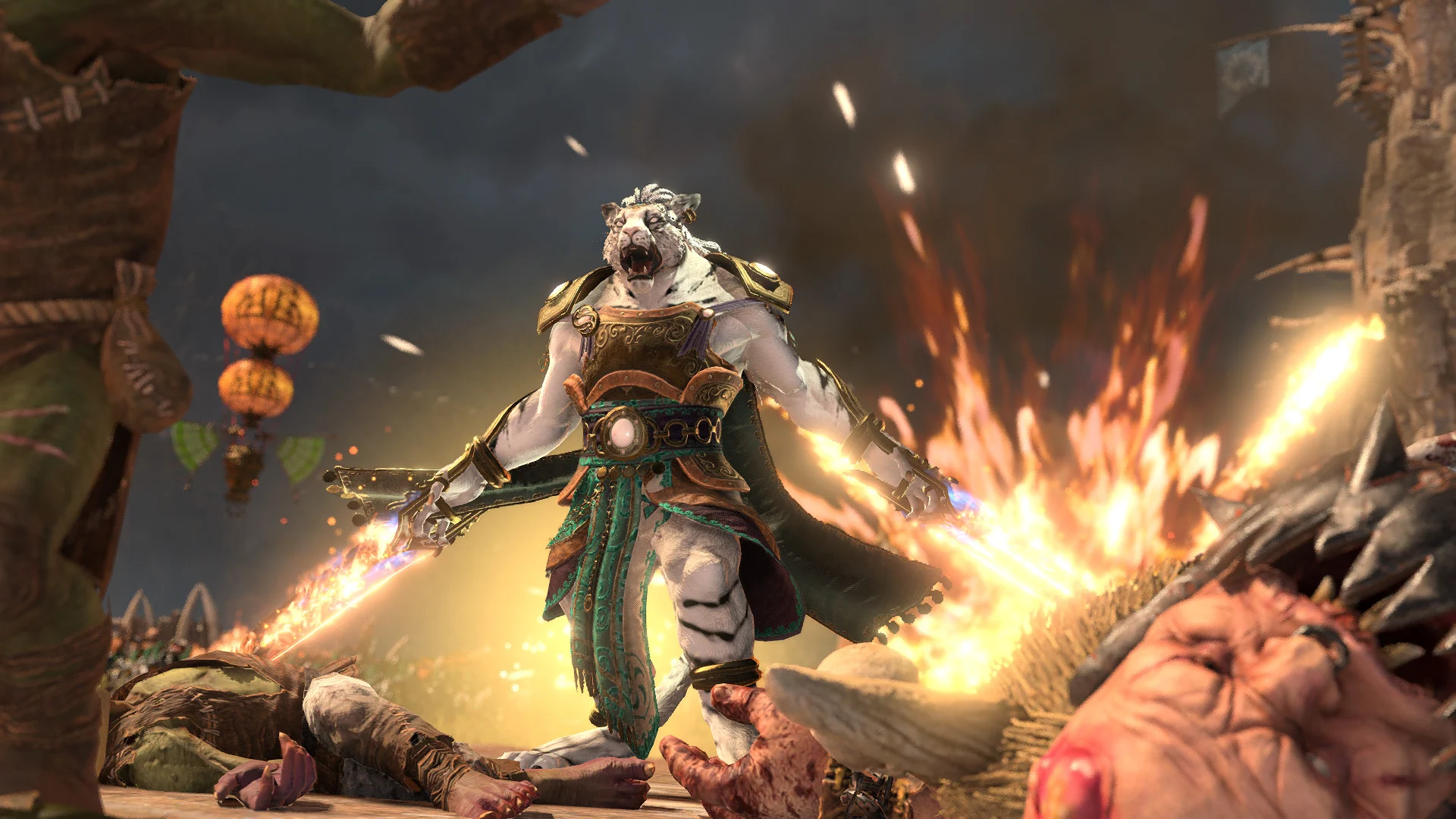



DLSS 5 immediately became a topic of conversation after being shown in a demo at the GTC 2026 event. The spotlight came after Digital Foundry shared a very positive initial impression of NVIDIA's latest graphics technology. A number of demo footage showed improvements in lighting, material detail, and character appearance that were said to feel much different than the original version. Even so, the public response was not entirely uniform. Amidst the praise, there were also criticisms that questioned whether DLSS 5 really preserved the game's visual identity or changed the final image too much.
Initial impressions trigger discussion
Digital Foundry called the DLSS 5 one of the most surprising graphical developments in recent years. In an article reviewing those impressions, Wccftech highlighted a number of comments that felt the visual results of DLSS 5 looked like a generational leap. Some of the demos discussed include Starfield, Assassin's Creed Shadows, Oblivion Remastered, and Resident Evil Requiem.
The problem is that the article relies more on impression quotes than detailed technical proof. There was no in-depth discussion about real-world performance, latency, frame stability, artifacts, or the impact on gameplay. This makes the conclusions about the quality of DLSS 5 still feel preliminary. For readers who follow modern graphics issues, first impressions are interesting, but not enough to close all the questions.
Criticism about the art style has not been resolved
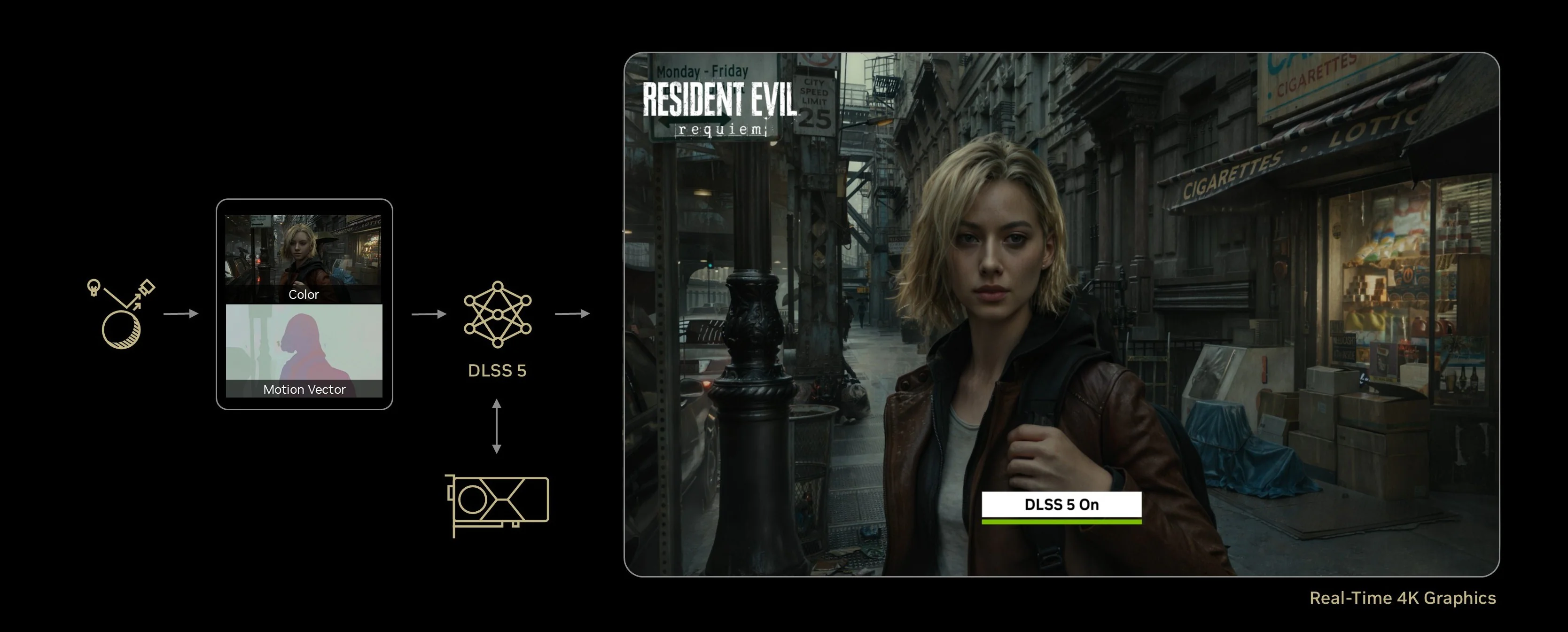
One of the most common criticisms is the notion that DLSS 5 simply works like an “AI filter”. This criticism arises because some people notice differences in visual results that are considered too far from the original presentation of the game. One much-discussed example is the change in character faces in the Resident Evil Requiem demo.
Wccftech tries to emphasize that the original geometry of the game is retained and the technology only processes the visual appearance through trained AI models. However, the main debate is not just about geometry. The focus of criticism is on the line between improved image quality and a change in artistic direction. For some players, higher detail doesn't necessarily mean the result is more in line with the original feel of the game.
Still under development
Another important point to note is the acknowledgment that the DLSS 5 demo on display was not finalized. NVIDIA said that the presentation was still an overview of the model being developed, while the launch of the technology is planned for the fall of 2026. This means that the final result could still change quite a lot before it is actually widely used by developers.
This fact is important because technology like this can usually only be judged fairly after it has gone into more games with different production conditions. Controlled demos often look very good, but the results in the final product are not necessarily identical. As such, the most reasonable assessment at the moment is to see DLSS 5 as an interesting technology, but one that has yet to be tested in real-world use.