







Ubisoft has made another large-scale layoff. This time, the impact is felt by Red Storm Entertainment, a studio that has a long history of developing tactical-themed games and the world of Tom Clancy. Based on reports IGN, As many as 105 staff were laid off, while game development activities at the studio were officially halted. Red Storm is not shutting down completely, but its role will be transitioned into an internal technical support team.
This decision is part of Ubisoft's ongoing efficiency measures in various regions. In recent years, the company has been reorganizing its studio structure, canceling projects and reducing the number of workers in some divisions. The situation at Red Storm shows that these changes are not just minor adjustments, but a clear shift in direction.
Red Storm Loses a Leading Role
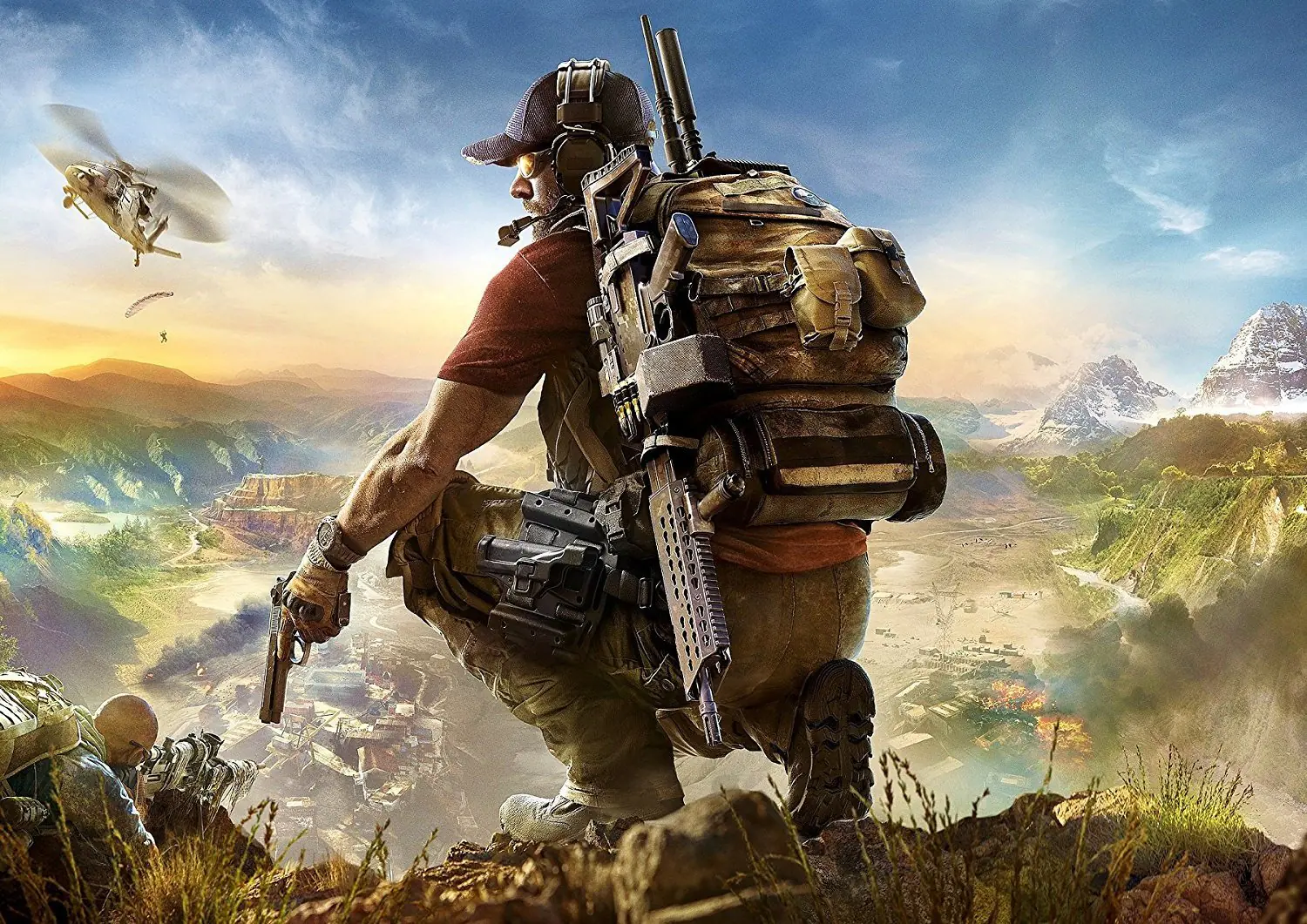
Red Storm Entertainment is known as one of the long-standing studios close to the Tom Clancy franchise. The studio was founded in 1996 and has been involved in many important projects, including Rainbow Six and Ghost Recon. Along the way, Red Storm has also worked on VR games such as Star Trek: Bridge Crew and Assassin's Creed Nexus VR.
Now, the studio's position has changed considerably. Ubisoft is said to have formally stopped game development at Red Storm. This means that the studio no longer serves as the main team to create new game projects. Going forward, Red Storm will still run, but the focus will be more on technical work behind the scenes.
This is a big change because Red Storm has had a strong identity as a creative studio for decades. For many tactical game fans, the Red Storm name has a lot of historical value.
Ubisoft's efficiency is becoming more apparent
The Red Storm case does not stand alone. Ubisoft has also previously reported layoffs at several other studios, closed certain studios, and canceled a number of long-developed projects. This move shows that the company is trying to reduce costs while concentrating resources into projects that are considered safer.
Some of the projects that had been associated with Red Storm also did not go smoothly. The Division Heartland was canceled after a long period of development. Splinter Cell VR also did not continue. These conditions illustrate that high-risk projects, especially those without a strong market direction, are now increasingly difficult to maintain.
From a business point of view, Ubisoft's decision is seen as an attempt to survive in the increasingly tight gaming industry. Production costs continue to rise, while player expectations are also getting higher. In situations like this, big companies tend to be more cautious when determining which projects to prioritize.
End of an Old Era, Beginning of a New Role
The changes at Red Storm felt like the end of an important era in Ubisoft's history. The studio isn't completely gone, but its role has changed. From a team known for game development, Red Storm has now shifted to internal technical support.
This condition may be bittersweet for many people who have followed the studio's journey for a long time. However, Ubisoft's decision also shows the new direction of the gaming industry today: more focused on efficiency, more selective on projects, and more cautious in taking risks.